
Table of Contents
Why Use Coffee Machine Cleaning Tablets?
Your coffee machine is an investment, and like any appliance, regular cleaning is vital to ensure it lasts. But it’s not just about longevity. A clean machine produces better-tasting coffee! Over time, mineral deposits (scale) build up from hard water, coffee oils accumulate, and bacteria can thrive. This impacts the flavour of your brew – leading to bitter, weak, or just generally unpleasant coffee. Scale restricts water flow, forcing your machine to work harder, reducing its lifespan and potentially causing costly repairs. Ignoring cleaning isn’t just a matter of taste; it’s a hygiene concern. The cost of neglecting maintenance – a replacement machine costing upwards of £100 – far outweighs the relatively small expense of regular cleaning tablets, typically under £20.
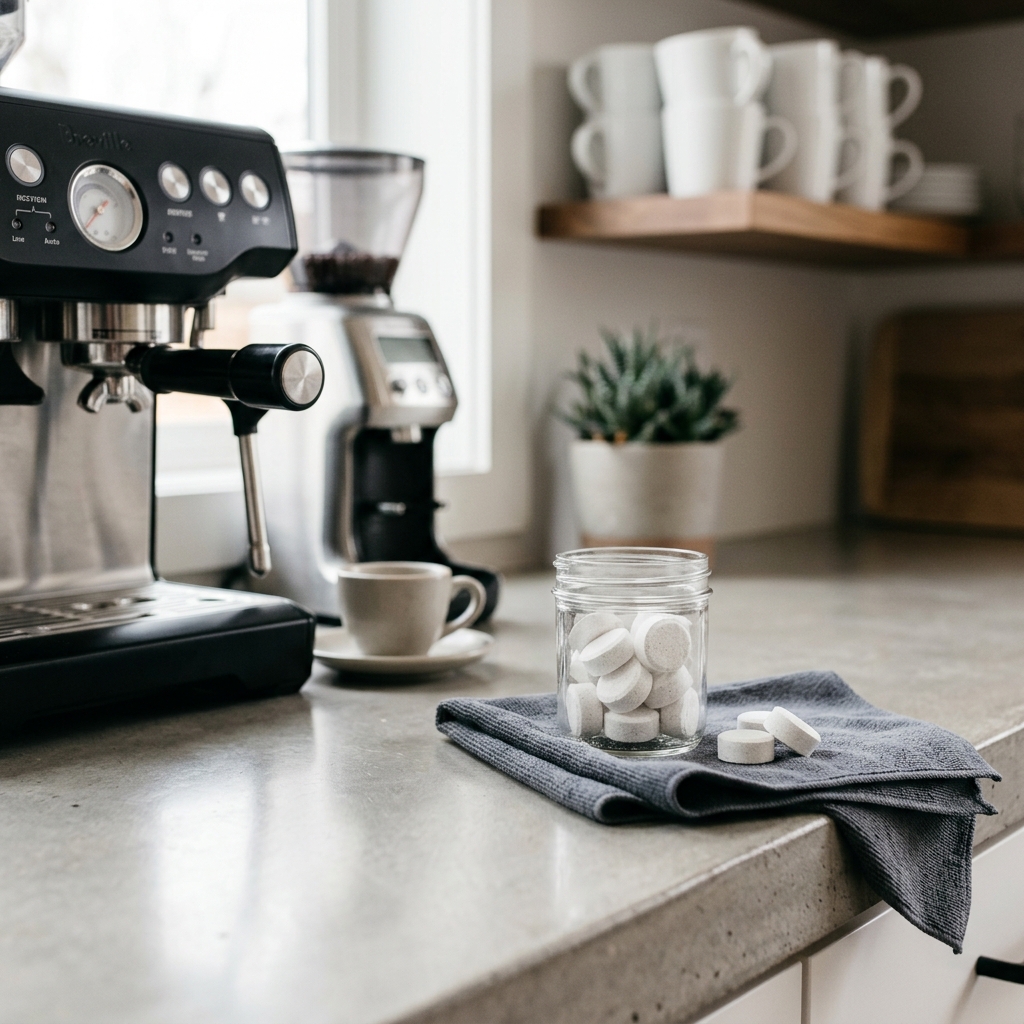
Understanding Different Types of Coffee Machines & Cleaning Needs
Different coffee machines have different cleaning demands. Here’s a breakdown:
- Bean-to-Cup Machines: These require the most thorough cleaning, as they grind beans, brew coffee, and often have milk frothing systems. Regular descaling and cleaning cycles are essential. Cleaning tablets are *highly* recommended.
- Espresso Machines: Similar to bean-to-cup, these need frequent descaling, particularly if you have hard water. Backflushing is also crucial. Cleaning tablets are very effective here.
- Pod Machines (e.g., Nespresso, Dolce Gusto): While seemingly simpler, pod machines still accumulate scale and residue. Many manufacturers recommend specific descaling solutions, often in tablet form.
- Filter Coffee Machines: These are generally the easiest to clean, but still benefit from regular descaling. Cleaning tablets can be used, though vinegar solutions are also common.
Cleaning tablets are generally suitable for bean-to-cup, espresso, and pod machines. Filter coffee machines offer more flexibility in cleaning methods.
What are Coffee Machine Cleaning Tablets Made Of?
Most coffee machine cleaning tablets contain a blend of ingredients designed to dissolve scale, remove coffee oils, and disinfect. Common components include:
- Citric Acid: A natural acid that effectively dissolves mineral deposits (scale).
- Sodium Dicarbonate: Helps to loosen and lift away coffee oils and residue.
- Sodium Carbonate: A mild alkali that boosts cleaning power.
- Sodium Percarbonate: An oxygen-based bleaching agent that helps with disinfection.
The amount of residue left after cleaning is minimal with reputable brands, and machines typically have multiple rinsing cycles to ensure thorough removal. Concerns about safety are generally unfounded when using tablets as directed.
Eco-Friendly vs. Traditional Tablets: Increasingly, manufacturers offer eco-friendly formulations that use plant-based ingredients and biodegradable packaging. While potentially less aggressive on stubborn scale, they represent a more sustainable option.
How to Use Coffee Machine Cleaning Tablets: A Step-by-Step Guide
- Pre-Cleaning: Empty the water reservoir and remove any coffee grounds or pods.
- Dissolve Tablets: Follow the manufacturer’s instructions for the number of tablets to use (usually 1-3) and dissolve them in the water reservoir filled with fresh, cold water.
- Initiate Cleaning Cycle: Activate the machine’s cleaning or descaling program. (Consult your machine’s manual for specific instructions).
- Run Cycle: Allow the machine to run through the entire cleaning cycle. This typically involves pumping the cleaning solution through the system.
- Rinse Thoroughly: After the cleaning cycle, fill the water reservoir with fresh water and run at least two full brewing cycles (without coffee) to rinse away any remaining cleaning solution.
Safety Precautions: Always unplug the machine before cleaning. Avoid contact with skin and eyes. Keep tablets out of reach of children. Never mix cleaning tablets with other cleaning agents.
Choosing the Right Cleaning Tablets: Key Factors to Consider
Selecting the best cleaning tablets depends on several factors:
- Machine Type Compatibility: Check the tablet packaging to ensure it’s suitable for your machine type.
- Tablet Formulation: Consider the strength of the tablets and whether you prefer an eco-friendly option.
- Brand Reputation: Established brands with positive customer reviews are generally a safer bet.
- User Reviews: Read online reviews to get insights from other users.
- Manufacturer Recommendations: Always prioritise the cleaning product recommended by your coffee machine’s manufacturer.
Top Coffee Machine Cleaning Tablets in the UK (2026)
Here’s a comparison of some of the best cleaning tablets available in the UK market:
| Product Name | Price (GBP) | Pros | Cons | Suitability |
|---|---|---|---|---|
| Durgol Swiss Eco Descaler Tablets | £9.99 | Excellent descaling power, eco-friendly formulation, suitable for most machines. | Can be slightly more expensive than some alternatives. | Bean-to-cup, Espresso, Pod machines. |
| Finish Dishwasher Tablets (for machine cleaning – *cautionary note about suitability*) | £6.5 | Very affordable, readily available. | Not specifically designed for coffee machines! May leave residue and damage seals. Use with extreme caution and only if manufacturer approves. | Filter coffee machines (with manufacturer’s approval *only*). |
| EspressoParts Descaling Tablets | £12.5 | Specifically formulated for espresso machines, powerful descaling. | May be too strong for some pod machines. | Espresso Machines. |
| De’Longhi DLSC002 Descaling Solution (Tablet Form) | £15.0 | Designed specifically for De’Longhi machines, guaranteed compatibility. | More expensive than generic options. Only suitable for De’Longhi machines. | De’Longhi Bean-to-Cup and Espresso Machines. |
Cleaning Tablet Alternatives: Vinegar, Citric Acid & DIY Solutions
While cleaning tablets are convenient and effective, alternatives exist:
- Vinegar: A popular DIY solution, vinegar can dissolve scale. However, it can leave a lingering smell and taste, requiring extensive rinsing.
- Citric Acid: Similar to vinegar in its descaling ability. It’s less odorous but still requires thorough rinsing.
- DIY Solutions: Combinations of baking soda and vinegar are sometimes suggested, but these can be unpredictable and potentially damaging to your machine.
Dedicated cleaning tablets generally offer a more consistent and safer cleaning experience, minimising the risk of residue and damage.
How Often Should You Clean Your Coffee Machine?
Cleaning frequency depends on your usage and water hardness:
- Low Usage (less than 1 cup/day): Descale every 3-6 months.
- Medium Usage (1-3 cups/day): Descale every 2-3 months.
- High Usage (3+ cups/day): Descale monthly.
- Hard Water Areas: Increase descaling frequency regardless of usage. Consider using a water filter (like Brita – £18.0) to reduce scale build-up.
Regularly wiping down external surfaces and emptying the drip tray should be done daily or after each use.
Troubleshooting Common Cleaning Issues
- Stubborn Scale: Use a stronger descaling solution or repeat the cleaning cycle.
- Lingering Taste: Run several more rinsing cycles with fresh water.
- Error Messages During Cleaning Cycle: Consult your machine’s manual or contact the manufacturer. Ensure you are using the correct type and number of tablets.
Frequently Asked Questions (FAQs)
Q: Can I use any descaling solution in my coffee machine?
A: No. Always check your coffee machine’s manual for recommended descaling solutions. Using incompatible solutions can damage your machine.
Q: Will cleaning tablets damage my coffee machine?
A: When used correctly, according to the manufacturer’s instructions, cleaning tablets are safe for your coffee machine. Avoid using excessive amounts or mixing with other cleaning agents.
Q: Are eco-friendly cleaning tablets as effective as traditional ones?
A: Eco-friendly tablets are generally effective, but may require slightly longer cleaning cycles or more frequent use to achieve the same results as traditional tablets, particularly with heavy scale build-up.
Q: How do I know if my coffee machine needs descaling?
A: Signs include slower brewing, weaker coffee, unusual noises during brewing, and a visible build-up of white residue inside the water reservoir.