
Table of Contents
Introduction: Why Homemade Iced Coffee is Best
Iced coffee isn’t just a summer trend anymore; it’s become a year-round favourite here in the UK. But consistently buying from coffee shops can quickly eat into your budget. Making iced coffee at home isn’t just about saving money (although that’s a fantastic benefit!), it’s about control. You decide the quality of the coffee, the sweetness level, and the milk used. No more settling for overly sweet or weak drinks. Plus, you can experiment with flavours and create *exactly* the iced coffee of your dreams. The popularity has surged in the last few years, with a 35% increase in iced coffee sales across UK cafes in 2025, demonstrating the growing demand for this refreshing beverage. This guide will provide everything you need to know to master the art of homemade iced coffee.
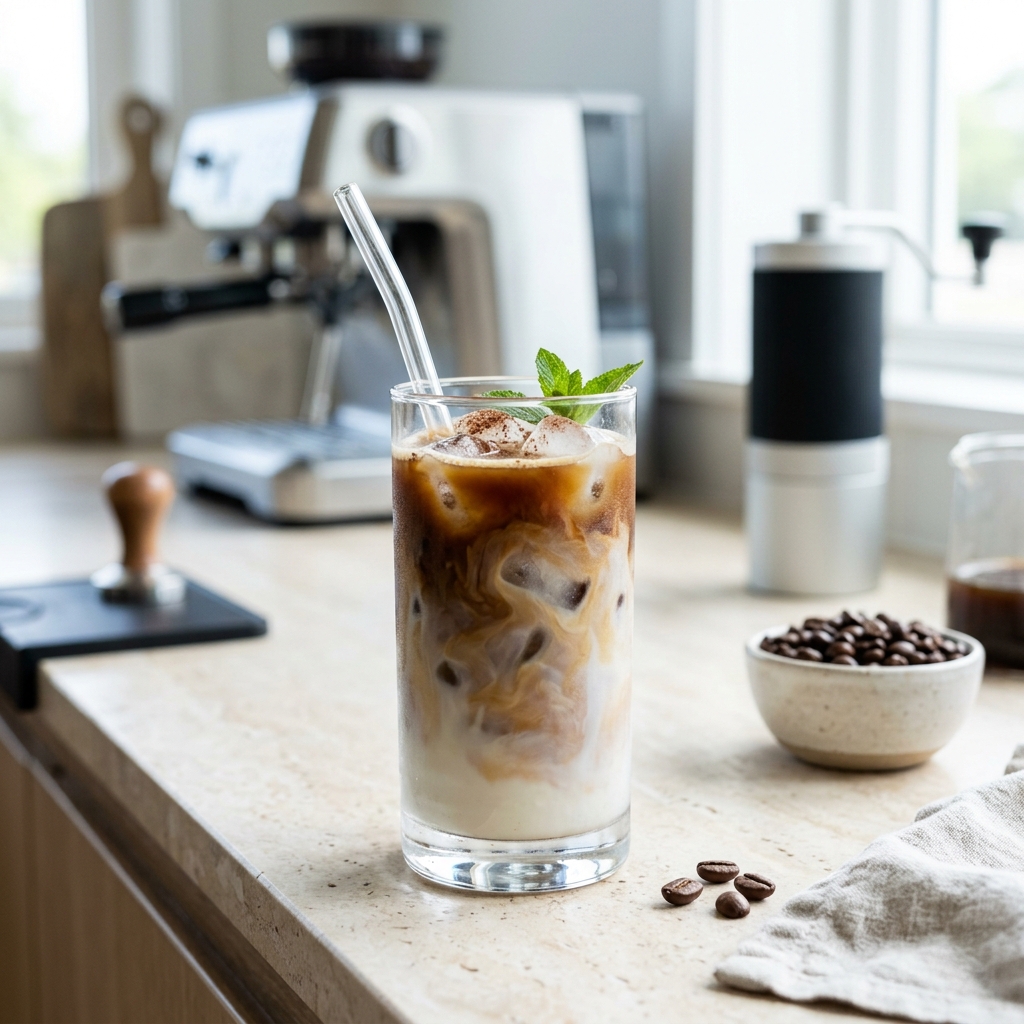
Essential Equipment for Iced Coffee Success
You don’t need a fancy setup to make amazing iced coffee. Here’s a breakdown of the essentials, with options for different budgets:
- Ice Cube Trays: Silicone trays are highly recommended. They’re flexible, making it easier to pop out the cubes, and generally last longer than plastic.
- Coffee Maker: The choice is yours! Options include:
- French Press: Great for a full-bodied flavour.
- Aeropress: Portable and versatile, excellent for concentrated coffee.
- Cold Brew Maker: Specifically designed for making smooth, low-acid cold brew.
- Espresso Machine: Ideal for creating iced lattes and americanos.
- Glasses: Tall glasses are perfect for showcasing your iced coffee creations.
- Stirring Tools: A long spoon or stirrer is essential for mixing.
Equipment Comparison (2026 Prices)
| Product | Price (GBP) | Pros | Cons |
|---|---|---|---|
| Silicone Ice Cube Trays (Set of 2) | £12.99 | Durable, flexible, easy to use. | Can take up freezer space. |
| Bodum Chambord French Press Coffee Maker | £42.50 | Produces rich, full-bodied coffee. Relatively inexpensive. | Requires careful cleaning. Can leave sediment. |
| Aeropress Coffee Maker | £39.99 | Portable, versatile, quick brewing. | Requires paper filters. Smaller brew volume. |
| Hario Mizudashi Cold Brew Coffee Pot | £35.99 | Simple to use, specifically designed for cold brew. | Limited to cold brew only. |
| Fellow Stagg EKG Electric Kettle | £185.00 | Precise temperature control, beautiful design. | Expensive. Not essential for iced coffee. |
Brewing Methods: Finding Your Perfect Iced Coffee Base
Cold Brew
Cold brew is arguably the best method for iced coffee. It produces a smooth, low-acid concentrate that’s perfect for diluting with water or milk.
- Combine 100g of coarsely ground coffee with 750ml of cold, filtered water in a cold brew maker or a large jar.
- Stir gently to ensure all the grounds are saturated.
- Cover and refrigerate for 12-24 hours (16-18 hours is a good starting point).
- Strain the concentrate through a fine-mesh sieve lined with cheesecloth or a paper filter.
- Store the concentrate in an airtight container in the refrigerator.
Hot Brewed Coffee (Chilling Techniques)
If you don’t have time for cold brew, you can brew hot coffee and chill it quickly. However, this can sometimes result in a more acidic taste.
- Brew coffee as you normally would (using a French press, Aeropress, or filter machine).
- Flash Chilling: Pour the hot coffee directly over a large amount of ice. This chills it quickly but dilutes it. Use a coffee-to-ice ratio of 1:1.
- Chilling & Dilution: Brew a stronger-than-usual coffee and let it cool to room temperature before refrigerating. Dilute with a small amount of water or milk when serving.
Espresso
For iced lattes and americanos, espresso is the way to go. Pull 1-2 shots of espresso and pour over ice.
Japanese Iced Coffee (Flash Chilled)
This method involves brewing directly onto ice, creating a concentrated and chilled coffee in one step.
- Place ice in your brewing vessel (e.g., V60). Use roughly half the weight of coffee in ice (e.g., 20g coffee, 10g ice).
- Brew coffee as usual, adjusting the water amount to account for the melting ice.
Perfecting Your Coffee-to-Water Ratio
The correct ratio is crucial for a balanced iced coffee. Here are some guidelines:
- Cold Brew: 1:8 to 1:12 (coffee to water). A 1:10 ratio is a good starting point.
- Hot Brew (for chilling): Brew stronger than usual – approximately 1:15 ratio.
- Espresso: Standard espresso ratios apply (1:2 for a double shot).
Adjust these ratios to suit your taste. If you prefer a stronger coffee, use more coffee grounds or espresso shots.
Flavour Combinations: Beyond Basic Iced Coffee
Iced coffee is a blank canvas for flavour! Here are some ideas:
- Syrups: Vanilla, caramel, and hazelnut are popular choices.
Homemade Vanilla Syrup: Combine 1 cup of water, 1 cup of sugar, and 1 vanilla bean (split and scraped) in a saucepan. Bring to a boil, then simmer for 10 minutes. Remove from heat and let cool. Strain and store in an airtight container.
- Milk: Dairy milk, oat milk, almond milk, and soy milk all work well.
- Spices: A dash of cinnamon or nutmeg can add warmth.
- Chocolate Sauce: For a delicious iced mocha.
- Whipped Cream: A classic topping.
Iced Coffee Recipes to Try
Classic Iced Coffee
Combine cold brew concentrate with water or milk (1:1 ratio) and serve over ice.
Iced Latte
Pour 1-2 shots of espresso over ice, add milk to fill, and stir.
Iced Mocha
Combine 1-2 shots of espresso with 2 tablespoons of chocolate sauce, milk, and ice. Stir well.
Vietnamese Iced Coffee
Brew strong coffee directly into a glass containing 2-3 tablespoons of sweetened condensed milk. Stir well and pour over ice.
Cold Brew Concentrate Recipes
Use cold brew concentrate to make a variety of iced coffee drinks. Experiment with different milk alternatives and flavourings.
Troubleshooting Common Iced Coffee Problems
- Weak Coffee: Use more coffee grounds or espresso shots.
- Watery Coffee: Use less ice or brew a stronger concentrate.
- Bitter Coffee: Use a coarser grind for cold brew. Avoid over-extraction when brewing hot coffee.
- Ice Melting Too Quickly: Use larger ice cubes or pre-chill your glass in the freezer.
Iced Coffee Storage & Leftovers
Cold Brew Concentrate: Can be stored in an airtight container in the refrigerator for up to 2 weeks.
Brewed Iced Coffee: Best consumed within 24 hours. The flavour will degrade over time.
Conclusion: Enjoy Your Homemade Iced Coffee!
Making iced coffee at home is a rewarding experience. By experimenting with different brewing methods, ratios, and flavours, you can create a perfect cup tailored to your preferences. Don’t be afraid to try new things and have fun! With a little practice, you’ll be enjoying delicious, cost-effective iced coffee all year round.
FAQ
What’s the best type of coffee to use for iced coffee?
Medium to dark roast coffees generally work best, as they hold their flavour well when chilled. Arabica beans are known for their smoother flavour profiles.
Can I use instant coffee for iced coffee?
While it’s possible, the flavour won’t be as rich or complex. If you must use instant coffee, use a generous amount and consider adding flavourings to enhance the taste.
How can I make iced coffee less acidic?
Cold brew is naturally less acidic than hot brewed coffee. You can also try using a lower-acidity coffee bean and avoiding over-extraction.
What’s the best way to prevent my iced coffee from getting watered down?
Use coffee ice cubes! Freeze leftover coffee in ice cube trays to avoid dilution. Alternatively, brew your coffee stronger initially or use less ice.
Is it better to sweeten iced coffee before or after chilling?
It’s best to add sweeteners *after* the coffee has chilled. Sugar doesn’t dissolve as easily in cold liquids, so adding it to hot coffee ensures it’s fully incorporated.