
Table of Contents
Why Proper Coffee Bean Storage Matters
Coffee beans are a complex agricultural product, packed with hundreds of volatile aromatic compounds that give each brew its unique flavour. However, these compounds are delicate and quickly degrade when exposed to the elements. Improper storage leads to stale coffee – a disappointing experience for any coffee enthusiast. Beyond the flavour loss, consider the financial impact. Poor storage means more wasted beans, and in 2026 with the rising cost of living, minimising waste is more important than ever. Investing in proper storage isn’t just about taste, it’s about getting the most from your coffee purchases.
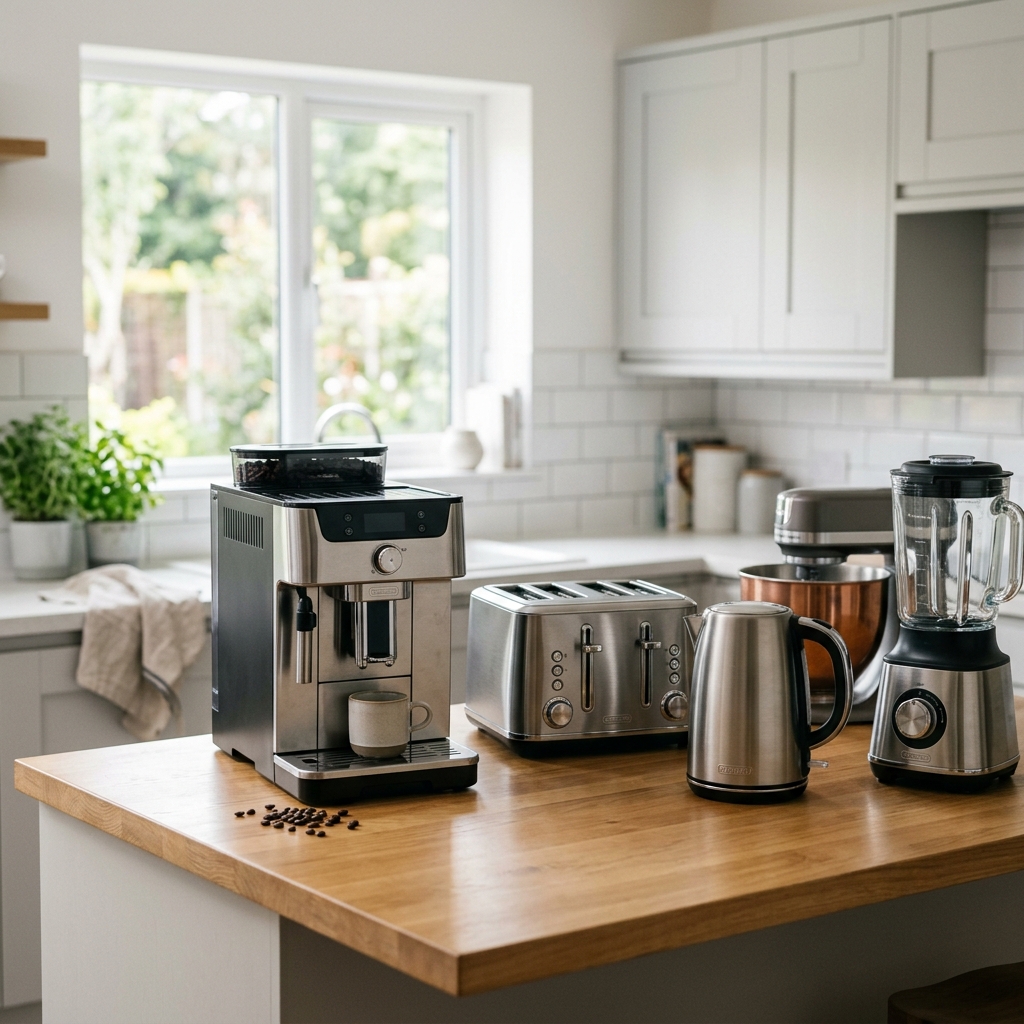
The Enemies of Fresh Coffee Beans
Several factors contribute to coffee bean staling. Understanding them is crucial for effective storage:
Oxygen
This is the biggest culprit. Oxygen causes oxidation, a chemical process that breaks down the volatile oils responsible for coffee’s aroma and flavour. This process begins almost immediately after roasting. Think of a cut apple turning brown – similar principle applies.
Light
UV light, both natural and artificial, accelerates oxidation. It also degrades the flavour compounds within the bean.
Moisture
Moisture leads to hydrolysis, another chemical reaction that breaks down the bean’s structure and causes it to lose flavour. It also encourages mould growth.
Heat
Higher temperatures speed up both oxidation and hydrolysis. Keeping beans cool is paramount.
Odour Absorption
Coffee beans are porous and readily absorb odours from their surroundings. Storing them near strongly scented items like spices or cleaning products will taint their flavour. This is why a dedicated storage container is vital.
Best Coffee Bean Storage Containers (UK 2026)
Choosing the right container is the first step to preserving your coffee’s freshness. Here’s a look at some popular options available in the UK:
Airtight Containers
These are the most common and accessible option. The key is finding genuinely airtight seals.
Glass Containers
Example: KeepFresh Airtight Coffee Canister – £18.99
- Pros: Non-reactive, doesn’t absorb odours, allows you to see the beans.
- Cons: Can be fragile, doesn’t block light unless tinted or stored in a dark place.
Stainless Steel Containers
Example: Fellow Atmos Coffee Canister – £55.00
- Pros: Durable, non-reactive, excellent at blocking light.
- Cons: Can be expensive, you can’t see the beans inside.
Ceramic Containers
Example: Bodum Bistro Coffee Storage Jar – £29.95
- Pros: Stylish, can be airtight with a good seal.
- Cons: Can be fragile, may absorb odours over time if not glazed properly.
Plastic Containers
Example: OXO Good Grips Coffee Canister – £24.50
- Pros: Lightweight, affordable, durable.
- Cons: Can absorb odours, some plastics may leach into the coffee, not always reliably airtight.
Vacuum Seal Containers
These remove air from the container, significantly slowing down oxidation.
Example: Comida Vacuum Coffee Container Set (3) – £32.00
Here’s a comparison table:
| Container Type | Price (approx.) | Airtightness | Light Protection | Durability | Odour Absorption |
|---|---|---|---|---|---|
| Glass | £18.99 – £35.00 | Good (with a tight seal) | Poor (unless tinted) | Moderate | Low |
| Stainless Steel | £50.00 – £70.00 | Excellent | Excellent | High | Low |
| Ceramic | £25.00 – £40.00 | Good (with a tight seal) | Poor (unless opaque) | Moderate | Moderate |
| Plastic | £15.00 – £30.00 | Variable | Poor | High | High |
| Vacuum Seal | £30.00 – £40.00 (for a set) | Excellent | Good | Good | Low |
Vacuum Sealing: Is It Worth It?
Vacuum sealing offers a significant improvement in freshness preservation. The FoodSaver Vacuum Sealer (£119.99) is a popular choice in the UK. The principle is simple: removing oxygen minimizes oxidation. However, there’s debate about whether removing *all* oxygen is beneficial, as some believe a small amount is needed to maintain the bean’s complexity. Generally, the benefits outweigh the drawbacks, especially for longer-term storage. Use dedicated vacuum sealing bags designed for food storage.
Storage Location: Where to Keep Your Beans
Even the best container is ineffective if stored in the wrong place. The ideal storage location is a cool, dark, and dry place – a pantry or cupboard away from direct sunlight and heat sources. Avoid storing coffee beans near the oven, hob, dishwasher, or fridge. Fluctuating temperatures are detrimental. Consistent temperature is key.
Whole Bean vs. Ground Coffee Storage
Whole bean coffee stays fresher for significantly longer than pre-ground coffee. Once ground, the surface area dramatically increases, accelerating oxidation. If you must grind your coffee ahead of time, store it in an airtight container and use it within a week. Ideally, grind your beans immediately before brewing for the best flavour.
Freezing Coffee Beans: A Controversial Topic
Freezing coffee beans is a debated practice. While it can significantly extend shelf life, it’s not without risks. If done correctly, it can be effective. Portion your beans into airtight, freezer-safe bags or containers before freezing. Avoid thawing and refreezing. When ready to use, allow the beans to come to room temperature *inside* the sealed bag to prevent condensation. Some argue that freezing can damage the cell structure of the beans, impacting flavour, but most agree that properly frozen beans are better than stale beans.
How Long Do Coffee Beans Stay Fresh?
Here’s a general guideline:
- Whole Bean (Airtight Container): 2-3 weeks
- Whole Bean (Vacuum Sealed): 1-3 months
- Ground Coffee (Airtight Container): 1-2 weeks
- Whole Bean (Frozen): 6-12 months
Trust your senses. If the beans smell noticeably different or lack aroma, it’s time to discard them.
Coffee Bean Storage FAQs (UK)
Q: Can I store coffee beans in the fridge?
A: It’s generally not recommended. The fridge introduces moisture and odours, both detrimental to coffee flavour. Temperature fluctuations also aren’t ideal.
Q: Does the container colour matter?
A: Yes. Opaque containers block light, preserving flavour better than transparent ones. If using a glass container, store it in a dark place.
Q: What’s the best way to store coffee pods?
A: Store coffee pods in their original packaging in a cool, dry place, away from direct sunlight. Airtight containers can also be used to further protect them.
Q: Will storing coffee beans near spices affect the flavour?
A: Absolutely. Coffee beans are porous and readily absorb odours. Keep them well separated from spices and other strongly scented items.
Q: Is it better to buy small amounts of coffee beans more frequently?
A: Yes! Purchasing smaller quantities and storing them properly ensures you’re always enjoying fresh, flavourful coffee.