
Table of Contents
Why Descale Your Coffee Machine?
Your trusty coffee machine works hard, but the water we use – even seemingly ‘clean’ tap water – contains minerals. Over time, these minerals, primarily calcium carbonate, build up inside your machine as limescale. This isn’t just a cosmetic issue. Limescale impacts everything from your coffee’s flavour to the machine’s performance and, ultimately, its lifespan. It restricts water flow, forcing the machine to work harder, increasing energy consumption, and potentially leading to costly repairs or premature failure.
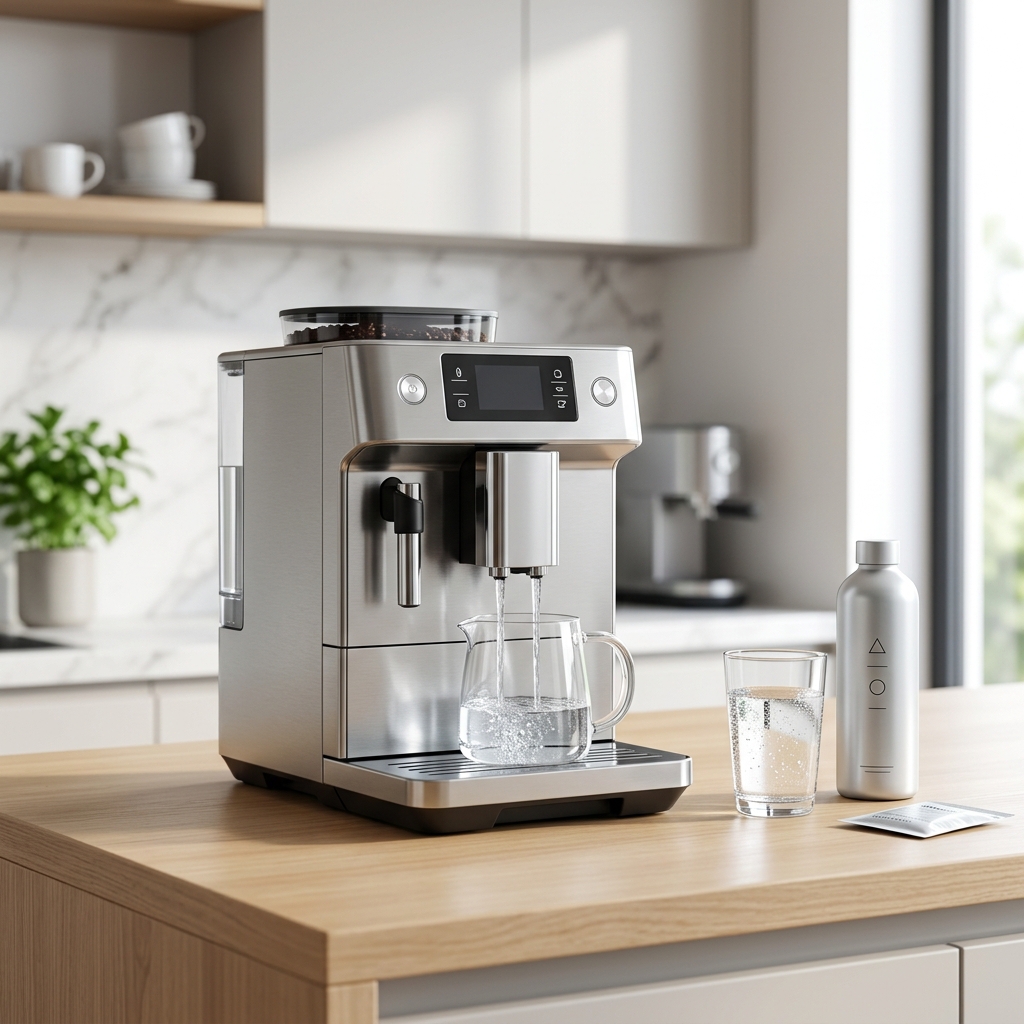
The severity of limescale build-up depends heavily on your local water hardness. The UK is broadly divided into soft and hard water areas. Areas in the north and west of England and Wales generally have softer water, while the south and east of England have harder water. If you live in a hard water area, you’ll need to descale your machine more frequently. You can check your local water hardness using the information provided by your water supplier – most have online postcode checkers.
What You’ll Need to Descale
Here’s a checklist of what you’ll need to get started:
- Descaling Solution: Specifically formulated descalers are the most effective and safest option. (See product recommendations below).
- Water: Fresh, clean water for rinsing.
- Cleaning Cloths: For wiping down surfaces and catching spills.
- Measuring Jug: To accurately measure the descaling solution and water.
DIY Descaling Solutions: A Brief Overview
While commercial descalers are recommended, you can use DIY solutions like vinegar or citric acid. However, these require more caution and thorough rinsing.
| Solution | Pros | Cons |
|---|---|---|
| White Vinegar | Readily available, inexpensive. | Strong odour, can leave a lingering taste, potentially corrosive to rubber seals if used too strong or frequently. |
| Citric Acid | Food-safe, less odour than vinegar, effective at removing limescale. | Can be slightly more expensive than vinegar, requires careful dilution. |
Different Coffee Machine Types & Descaling Methods
The descaling process varies depending on your coffee machine type. Here’s a breakdown for the most common models:
Bean-to-Cup Coffee Machines
Filter Coffee Machines
Pod Machines (Nespresso, Dolce Gusto)
Espresso Machines
Step-by-Step: Descaling a Bean-to-Cup Coffee Machine
- Empty & Clean: Remove the bean hopper, brew group (if removable), and drip tray. Empty and rinse these components thoroughly.
- Prepare the Solution: Dilute the descaling solution according to the manufacturer’s instructions (usually a 1:2 ratio with water). Use a measuring jug for accuracy.
- Fill the Reservoir: Pour the descaling solution into the water reservoir.
- Run a Descaling Cycle: Most bean-to-cup machines have a dedicated descaling programme. Consult your machine’s manual to activate it. This typically involves running several brewing cycles without coffee.
- Rinse Thoroughly: Once the descaling cycle is complete, empty the reservoir and refill it with fresh water. Run at least two full brewing cycles with water only to remove any residual descaling solution.
- Reassemble: Replace the brew group, bean hopper, and drip tray.
Step-by-Step: Descaling a Filter Coffee Machine
- Empty & Clean: Remove the filter basket and carafe. Empty and rinse both thoroughly.
- Prepare the Solution: Dilute the descaling solution according to the manufacturer’s instructions (usually a 1:2 ratio with water).
- Fill the Reservoir: Pour the descaling solution into the water reservoir.
- Run a Brewing Cycle: Run a full brewing cycle with the descaling solution, as if you were making coffee.
- Repeat: Repeat the brewing cycle with the descaling solution one or two more times.
- Rinse Thoroughly: Empty the reservoir and refill it with fresh water. Run at least three full brewing cycles with water only to remove any residual descaling solution.
- Clean the Carafe: Wash the carafe with soap and water.
Step-by-Step: Descaling a Pod Machine (Nespresso/Dolce Gusto)
Pod machines often have dedicated descaling programmes. Refer to your machine’s manual for specific instructions.
- Empty Water Tank: Ensure the water tank is empty.
- Add Descaling Solution: Fill the water tank with the appropriate amount of descaling solution (usually Nespresso or Dolce Gusto branded descaler – see product recommendations).
- Activate Descaling Programme: Follow the instructions in your manual to start the descaling programme. This typically involves pressing a specific button combination.
- Rinse Thoroughly: Once the programme is complete, rinse the water tank thoroughly and run several cycles with fresh water only.
Step-by-Step: Descaling an Espresso Machine
Espresso machine descaling can be a bit more involved. Backflushing (if your machine supports it) is crucial.
- Prepare the Solution: Dilute the descaling solution according to the manufacturer’s instructions.
- Backflush (If Applicable): Use a blind filter basket and run several backflushing cycles with the descaling solution. This cleans the group head.
- Run Cycles: Fill the water reservoir with the descaling solution and run several brewing cycles (without coffee) through the portafilter.
- Rinse Thoroughly: Empty the reservoir and refill it with fresh water. Run several cycles with water only, both through the portafilter and by steaming water from the steam wand.
- Clean Group Head: Use a group head brush to clean the group head thoroughly.
DIY Descaling Solutions: Vinegar vs. Citric Acid
While commercial descalers are favoured, here’s a detailed comparison:
| Solution | Dilution Ratio | Pros | Cons | Safety Notes |
|---|---|---|---|---|
| White Vinegar | 1 part vinegar to 1 part water (maximum) – start with a weaker solution for first use. | Inexpensive, readily available. | Strong odour, can leave a lingering taste, potential damage to seals. | Never use undiluted vinegar. Rinse *extremely* thoroughly. |
| Citric Acid | 1-2 tablespoons per litre of water. | Food-safe, less odour than vinegar, effective. | Can be slightly more expensive. | Ensure citric acid is fully dissolved before using. Rinse thoroughly. |
How Often Should You Descale?
The frequency of descaling depends on your water hardness and coffee consumption. Here’s a general guide:
| Water Hardness | Coffee Consumption (Cups/Day) | Recommended Frequency |
|---|---|---|
| Soft | 1-5 | Every 6-12 months |
| Medium | 1-5 | Every 3-6 months |
| Hard | 1-5 | Every 1-3 months |
| Any | 5+ | Every 1-3 months |
Preventing Limescale Build-Up
- Use Filtered Water: A Brita MAXtra+ Filter Jug (3.2L) – £35.0 significantly reduces mineral content.
- Regular Rinsing: Rinse the water reservoir and brew components after each use.
- Proper Maintenance: Follow your machine’s recommended maintenance schedule.
Troubleshooting Descaling Issues
- Machine Not Flushing: Ensure the descaling solution is properly diluted. Try running a longer rinsing cycle.
- Error Messages: Consult your machine’s manual for specific error code meanings.
- Lingering Taste: Run additional rinsing cycles with fresh water.
Product Recommendations (2026)
- Durgol Descaler Swiss Volcano (500ml) – £12.99: A powerful and effective descaler.
- Caffenu Descaler for Coffee Machines (500ml) – £8.49: A reliable and affordable option.
- Nespresso Descaling Solution (1L) – £9.99: Specifically formulated for Nespresso machines.
- Dolce Gusto Descaler (500ml) – £7.99: Specifically formulated for Dolce Gusto machines.
FAQ
How long does descaling take?
The entire process, including rinsing, can take between 30 minutes and 2 hours, depending on the machine type and the severity of the limescale build-up.
Can I use lemon juice to descale?
While lemon juice contains citric acid, it also contains sugars and oils that can leave residue and potentially damage your machine. Citric acid powder is a better option if you’re avoiding commercial descalers.
Will descaling affect the taste of my coffee?
If you rinse thoroughly, descaling shouldn’t affect the taste. Insufficient rinsing can leave a residual taste, so be diligent with the rinsing cycles.
What if my machine doesn’t have a descaling program?
You can still descale the machine by manually running cycles with the descaling solution, followed by thorough rinsing. Consult your machine’s manual for guidance.
“`