
Kitchen knife storage should keep blades protected and make the intended handle easy to identify. The right format depends on the knives, the available space and who can access the area. Compare storage as a complete system rather than choosing a block or magnetic strip only because it matches the kitchen finish.
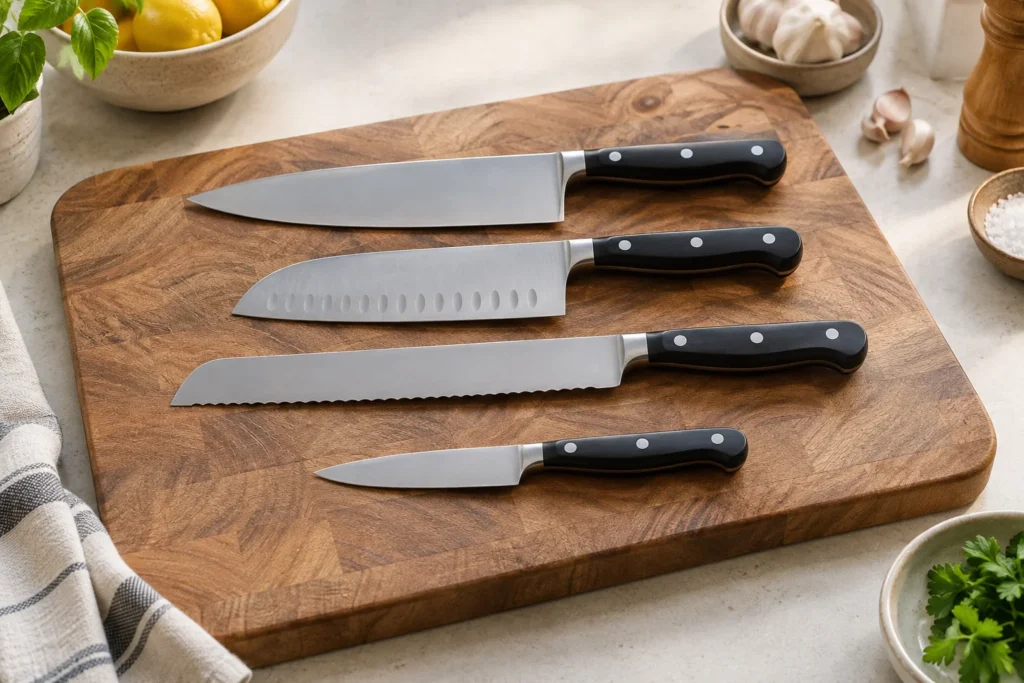
Image: AI-generated editorial illustration of generic equipment; not a photograph of a reviewed product.
Table of Contents
List the actual blades
Record the length, height and any unusual shape of each knife. Include the largest blade and any serrated or specialist form. A storage product advertised for a certain number of knives may not accommodate your particular collection.
Check the storage maker’s stated blade compatibility. Slots, guards and inserts should suit the exact dimensions and form rather than require the knife to be forced into place. Keep the knife manufacturer’s storage guidance in the decision as well.
Understand the available formats
KAI’s care guidance recommends avoiding contact between stored blades and other metal objects and identifies blocks, drawer inserts, wooden magnetic racks and blade guards as storage options. Each format still needs an appropriate fit and location.
A block takes a fixed footprint and needs room above or in front for retrieval. A drawer insert uses internal space and must clear the drawer when closed. A magnetic rack needs suitable fixing and compatibility with the actual knives. A guard protects a blade within a wider storage arrangement but does not organise the drawer by itself.
Measure the retrieval movement
Place a paper footprint where a block would sit and consider the full movement needed to lift the longest knife. Check nearby cupboards, appliances and the working area. For a drawer, include the handle height and the path past the cabinet front.
Do not place storage where retrieving a knife requires reaching awkwardly across an operating appliance or other activity. Choose a location with clear, controlled access for the intended user. Household access needs matter as much as saving a small amount of counter space.
Check installation and support
For a wall-mounted system, follow the exact fixing instructions and establish that the wall and fixings suit the load. Do not assume an adhesive or magnetic mounting method is appropriate because another rack uses it. The support needs to be assessed as carefully as the surface holding the blade.
For a freestanding block or drawer insert, check that it rests as intended without rocking or sliding under the product’s instructions. Avoid improvised extensions or mixed parts that change the supported arrangement.
Plan cleaning and drying access
| Format | Question to resolve |
|---|---|
| Knife block | Can the relevant surfaces and slots be cared for as instructed? |
| Magnetic rack | Are fixing, knife compatibility and retrieval appropriate? |
| Drawer insert | Do blade and handle dimensions clear the drawer? |
| Blade guard | Does it fit the exact blade and have a clear storage position? |
Store knives only after following their cleaning and drying instructions. A guard or slot should not be used to hide a knife that still needs attention. Check removable storage parts and any condition guidance so the system remains suitable over time.
Sketch one complete retrieval
Draw the proposed storage position and mark the direction in which each knife leaves it. A block beneath a cupboard may fit while the knife is stored but prevent a long blade from being lifted clear. A drawer insert may have adequate length yet put a handle under the worktop edge when the drawer is only partly open. Resolve these movements on paper before selecting a product. Include the return movement after washing as well: the handle should remain identifiable without moving another exposed blade. The best position is one that works during ordinary preparation, not just in a photograph of the closed kitchen.
Choose around the everyday collection
As an example, a household with three frequently used knives may need a different solution from one with several long specialist blades. Compare the actual retrieval sequence and the available protected spaces rather than buying a larger block for hypothetical future purchases. Our knife-set guide offers wider collection context. Storage should fit the knives you use and the kitchen in which they will be handled.