
A cuppa is a cornerstone of British life, and a reliable electric kettle is essential for any kitchen. But with so many options available in 2026, choosing the best electric kettle UK can be a daunting task. This guide will walk you through everything you need to know, from key features and kettle types to our top picks across different price points. We’ll consider the latest energy efficiency standards expected in 2026, and help you find the perfect kettle for your needs.
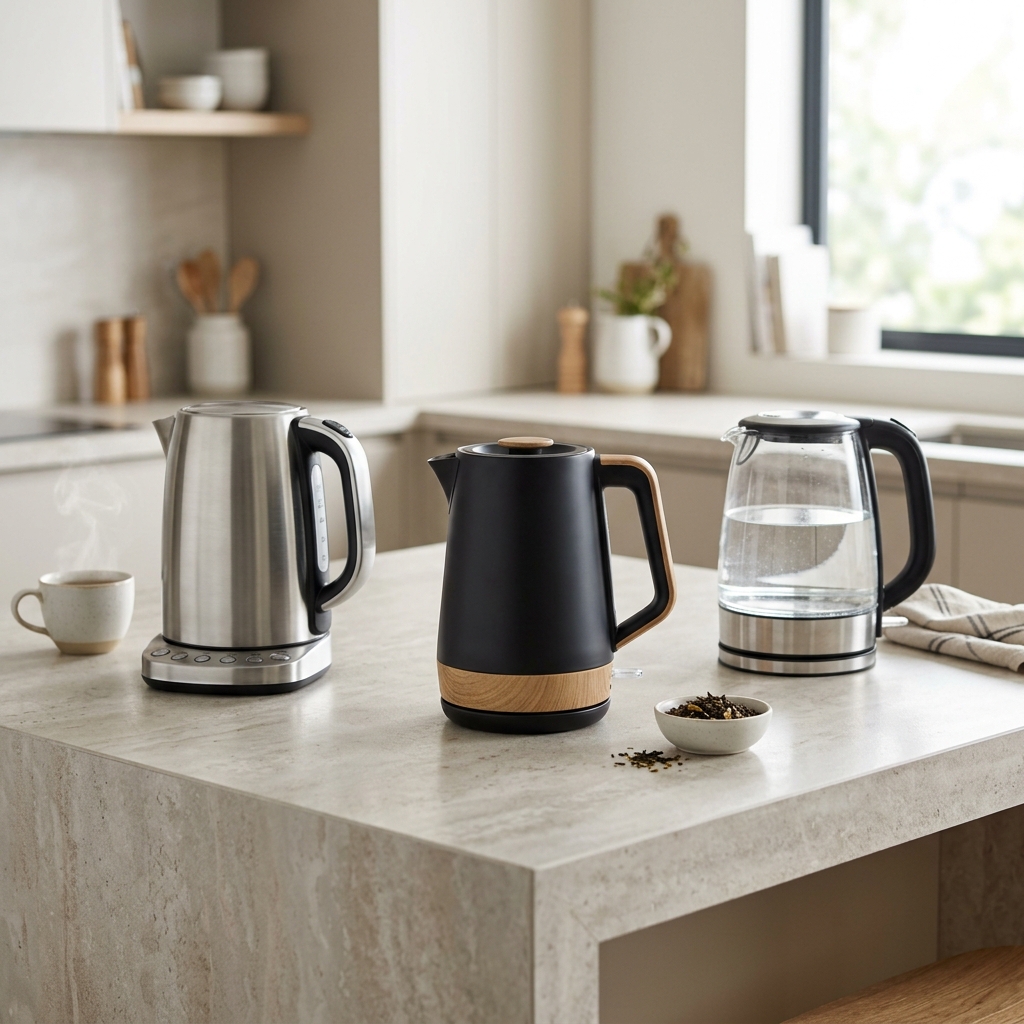
Table of Contents
What to Consider When Buying an Electric Kettle in 2026
The modern electric kettle is more than just a water boiler. Here’s what to consider before making a purchase:
- Capacity: How much water do you typically boil? Kettles range from 1 litre (ideal for individuals) to 1.7 litres (suitable for families).
- Power (Rapid Boil Times): Wattage dictates boiling speed. Most kettles are between 2000W and 3000W. In 2026, expect to see more kettles optimising wattage for faster boil times without excessive energy consumption.
- Material:
- Stainless Steel: Durable, doesn’t affect water taste, and generally more expensive.
- Glass: Visually appealing, allows you to see the water boiling, but can be more fragile.
- Plastic: Affordable and lightweight, but can sometimes impart a plastic taste. BPA-free plastic is crucial.
- Temperature Control: Essential for tea connoisseurs and coffee lovers. Variable temperature kettles allow you to heat water to the precise temperature required for different beverages.
- Features: Keep-warm function, boil-dry protection, automatic shut-off, and water level indicators are all useful features.
- Safety Features: Look for features like cool-touch exteriors and secure lids to prevent accidents.
- Energy Efficiency: 2026 will likely see stricter energy efficiency standards relating to standby power usage and insulation. Look for kettles with an Energy Saving Trust Recommended logo.
Types of Electric Kettles
Different kettle types cater to different needs:
- Standard Electric Kettles: Simple, affordable, and reliable. They boil water quickly but typically lack advanced features.
- Variable Temperature Kettles: Offer precise temperature control, ideal for different types of tea and coffee.
- Gooseneck Kettles (Pour-Over Coffee): Designed with a long, narrow spout for precise pouring, essential for pour-over coffee brewing.
- Smart Kettles: Connected to your Wi-Fi network, allowing you to control them via a smartphone app or voice assistant.
- Traditional (Stovetop Kettle Style): Often feature a classic design and are heated on the hob, but we’re focusing on *electric* kettles here.
Here’s a quick comparison table:
| Kettle Type | Pros | Cons | Typical Price Range (GBP) |
|---|---|---|---|
| Standard | Affordable, simple to use, fast boiling | Limited features, no temperature control | £20 – £50 |
| Variable Temperature | Precise temperature control, versatile | More expensive than standard kettles | £60 – £180 |
| Gooseneck | Precise pouring control, ideal for coffee | Slower boiling, specific use case | £150 – £200 |
| Smart Kettle | Convenient app control, voice assistant compatibility | Expensive, potential security concerns, requires Wi-Fi | £80 – £150 |
Our Top Picks: Best Electric Kettles UK 2026
Here’s a selection of the best electric kettles available in the UK market in 2026, categorised by price point.
Budget-Friendly Electric Kettles (Under £40)
Breville VKT548 Fast Boil Kettle – £34.99
A reliable and affordable option. Boils quickly and offers a generous 1.7 litre capacity. Simple to use with a manual switch-off. Good value for money.
- Pros: Fast boiling, large capacity, affordable
- Cons: Basic features, plastic construction
Morphy Richards Accents Kettle – £39.99
Stylish design with a range of colour options. Decent 1.5 litre capacity and rapid boil technology. A good all-rounder for smaller households.
- Pros: Attractive design, rapid boil, good value
- Cons: Limited features, plastic construction, smaller capacity
Mid-Range Electric Kettles (£40 – £80)
Russell Hobbs Heritage Kettle – £59.99
A classic design with modern features. Stainless steel construction, 1.7 litre capacity, and rapid boil. Offers a good balance of style and functionality.
- Pros: Stylish design, stainless steel, rapid boil
- Cons: No temperature control
Cuisinart CPK-17 PerfecTemp Kettle – £99.99
Offers variable temperature settings for perfect brewing. Stainless steel construction with a keep-warm function. A great choice for tea and coffee enthusiasts.
- Pros: Variable temperature, keep-warm function, stainless steel
- Cons: Slightly more expensive than standard kettles
Premium Electric Kettles (Over £80)
Dualit Classic Kettle – £129.99
Iconic design and exceptional build quality. Hand-assembled with a stainless steel body. Boasts a generous 1.5 litre capacity and a unique lever operation.
- Pros: Premium build quality, distinctive design, durable
- Cons: Expensive, smaller capacity
Smeg Variable Temperature Kettle – £149.99
A stylish statement piece with variable temperature control. Stainless steel construction and a sleek, retro design. A premium option for design-conscious consumers.
- Pros: Stylish design, variable temperature, stainless steel
- Cons: Expensive
Fellow Stagg EKG Electric Pour-Over Kettle – £179.99
Specifically designed for pour-over coffee brewing. Gooseneck spout for precise pouring and variable temperature control. A must-have for coffee aficionados.
- Pros: Precise pouring, variable temperature, ideal for coffee
- Cons: Expensive, slower boiling
Smart Electric Kettles: The Future of Boiling?
Smart kettles like the iKettle Wi-Fi Enabled Kettle – £89.99 offer remote control via a smartphone app. You can schedule boiling times, adjust temperature settings, and even receive notifications when your water is ready. Compatibility with voice assistants (Amazon Alexa, Google Assistant) adds another layer of convenience.
Pros: Convenience, remote control, scheduling, voice assistant compatibility.
Cons: Higher price, potential security concerns, reliance on Wi-Fi, can be unnecessary for some users.
Electric Kettle Maintenance & Cleaning
Regular cleaning is essential to maintain your kettle’s performance and longevity. Limescale buildup can affect boiling times and water taste. Descale your kettle every 1-3 months (depending on water hardness) using a descaling solution or a mixture of white vinegar and water. Simply boil the solution, let it sit for 30 minutes, then rinse thoroughly.
Frequently Asked Questions (FAQs)
- How much energy does an electric kettle use? A typical kettle uses around 2.2-3 kWh per boil. Newer, more efficient models and reducing boiling amounts can help minimise energy consumption.
- How long does it take to boil water? Boiling time depends on the kettle’s wattage and the amount of water. Most rapid boil kettles can boil 1 litre of water in under 3 minutes.
- Is it safe to leave an electric kettle unattended? Most electric kettles have automatic shut-off and boil-dry protection, making them relatively safe. However, it’s always best to supervise them, especially around children.
- What’s the best material for an electric kettle? Stainless steel is generally considered the best material due to its durability and lack of taste transfer.
- How often should I descale my kettle? Descale your kettle every 1-3 months, depending on the hardness of your water.