
The choice between carbon steel and stainless kitchen knives is partly a choice about the care routine you will maintain. A material label is useful, but it does not describe the complete blade, handle or edge. Compare two actual knives and their instructions rather than assuming every member of either category behaves alike.
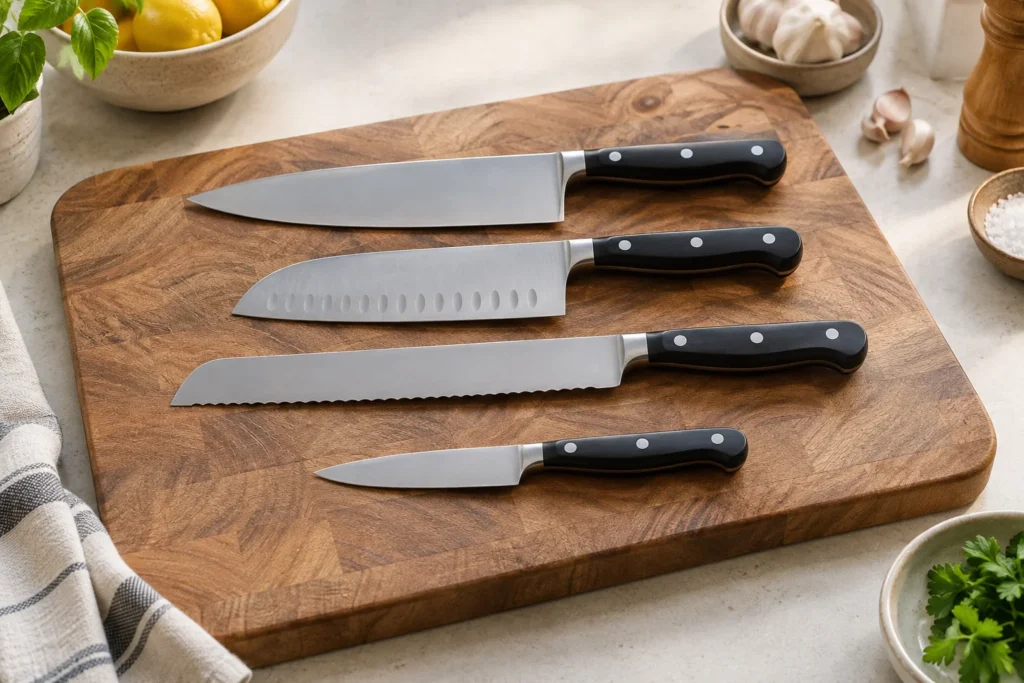
Image: AI-generated editorial illustration of generic equipment; not a photograph of a reviewed product.
Table of Contents
Find the exact material description
Look for the named steel and any explanation of the core, outer layers or coating. A blade may use more than one material, so the visible outside does not necessarily identify its cutting edge. Record which part of the knife each specification describes.
Opinel’s materials information describes its carbon steel as requiring careful drying and regular maintenance, while its stainless steel offers greater corrosion resistance within the maker’s range. It also notes limits under prolonged exposure to substances such as salt water or acids. Stainless should therefore not be read as a promise of freedom from care.
Compare the maintenance you will actually do
Read when the knife should be washed and dried, what cleaning products are allowed and whether the maker specifies any protective treatment. If treatment is required, confirm the appropriate product and method for that blade. Do not borrow an oiling routine from a different knife or a chopping board.
Think about your usual meal preparation. Can you clean and dry the knife at the required stage, or do tools commonly remain beside the sink until later? That practical question is more informative than deciding which material sounds more professional. A demanding routine only works if it fits the household.
Keep edge geometry separate from the steel label
Blade thickness, shape, bevel and sharpening instructions are independent details to compare. Do not conclude that all carbon knives are easier to sharpen, all stainless knives hold an edge longer, or a higher hardness number proves a better purchase. Such claims need evidence for the particular designs being compared.
Ask the maker which sharpening method is supported and whether an authorised service is available. If you already own a sharpener, confirm compatibility with the exact knife before counting it as part of your maintenance plan. The presence of a steel blade alone is not enough.
Read the handle instructions too
A stainless blade may be joined to a handle that needs different care from a moulded synthetic one. The product’s overall washing permission needs to cover the complete knife. A dishwasher-safe material in one component does not establish permission for the assembly.
Look at joints, rivets, coatings and any removable parts described by the manufacturer. Record the storage recommendation and the size of any guard you need. These details affect day-to-day ownership whichever blade category you choose.
| Comparison field | Question to answer |
|---|---|
| Exact steel and construction | What are the edge and outer surfaces made from? |
| Washing and drying | When and how should the knife be cleaned? |
| Additional treatment | Does the maker require a particular care product? |
| Bevel and sharpening | Which maintenance method is supported? |
| Handle and storage | Will the complete knife fit the household routine? |
Compare ownership in a shared kitchen
A shared kitchen makes the care routine particularly important. Note who normally washes knives, where they are left before washing and how they return to storage. Then compare that routine with each candidate’s actual instructions. If a knife needs a habit that the household does not currently follow, plan how that habit will change before buying it. Avoid describing a material as low-maintenance merely because its product photograph looks spotless. The useful comparison is between documented care and a routine you can realistically maintain.
Use appearance changes as a reason to check
If an existing blade changes colour or develops rough areas, compare its condition with the manufacturer’s guidance. Avoid diagnosing every mark as harmless patina or treating every change as a reason to discard the knife. Clear photographs and the exact model number can help the maker advise on cleaning or assessment.
Our knife-set guide provides wider collection context. For this material decision, shortlist knives that suit the food tasks first, then compare the full care requirements. The most useful choice is one whose specifications and maintenance you understand well enough to use consistently.