
Mocha coffee. The very name conjures images of rich, chocolatey indulgence. But what *is* mocha coffee, and how can you create café-quality versions in the comfort of your own kitchen? This guide will walk you through everything you need to know, from the basics to exciting variations, ensuring a perfect cup every time. As of 2026, with advancements in home brewing technology, achieving barista-style results is easier than ever.
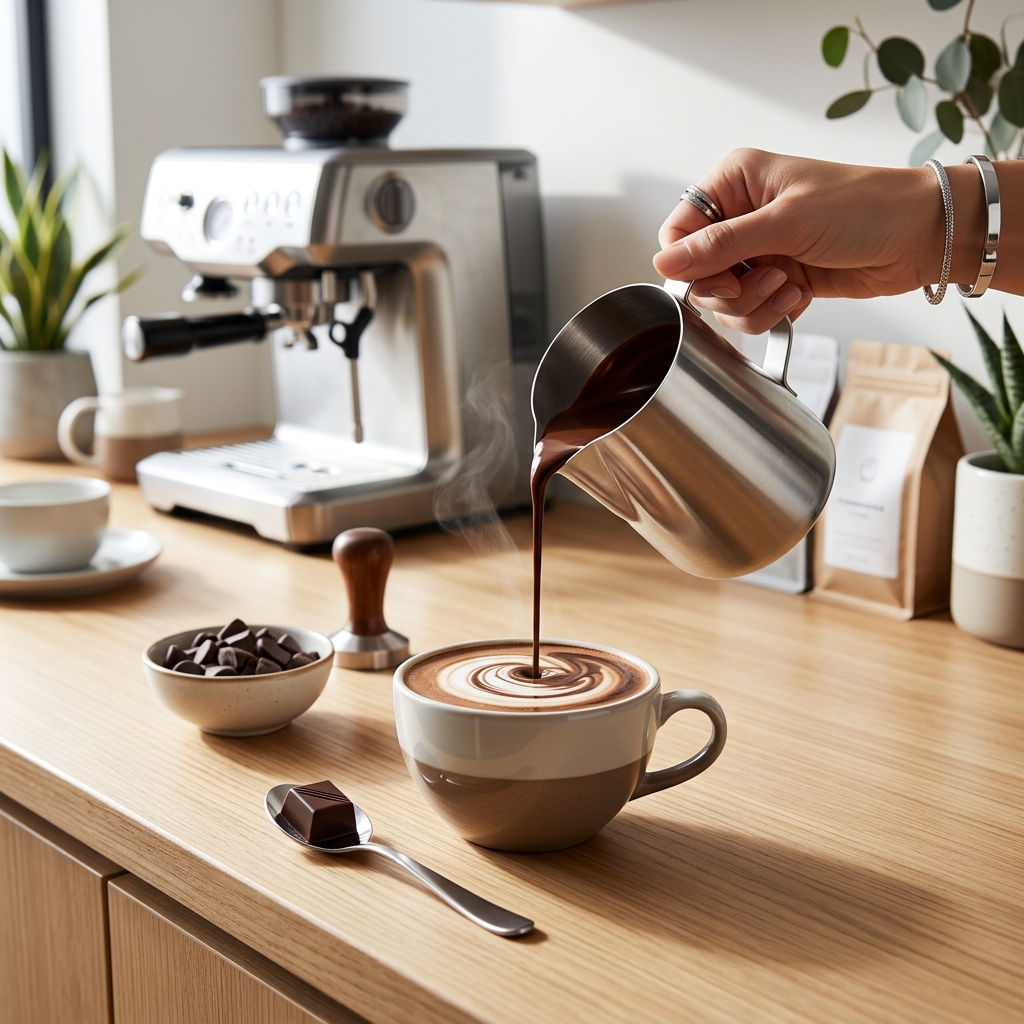
Table of Contents
What is Mocha Coffee?
The story of mocha coffee begins with the port city of Mocha in Yemen, historically a key trading hub for coffee beans with a naturally chocolatey flavour profile. However, the mocha we know and love today is a delightful marriage of espresso, chocolate, and steamed milk. It’s essentially a chocolate-flavoured latte.
So, how does it differ from a latte or cappuccino? A latte consists of espresso and steamed milk, with a thin layer of foam. A cappuccino is espresso with equal parts steamed milk and foamed milk, creating a thicker, airier texture. A mocha, however, *adds* chocolate – typically chocolate syrup or powder – to the espresso before combining it with steamed milk. This chocolate element is what truly defines a mocha, offering a sweeter, more decadent experience. Traditionally, a mocha uses dark chocolate, but variations abound.
Essential Equipment for Making Mocha
To embark on your mocha-making journey, you’ll need a few key pieces of equipment. The quality of your equipment can greatly impact the final flavour, but you can start relatively simply.
- Espresso Machine: The cornerstone of a traditional mocha.
- Milk Frother: Crucial for creating that velvety smooth texture.
- Mugs: Choose heat-resistant mugs of your preferred size.
- Measuring Tools: Jiggers, spoons, or a small kitchen scale for accurate measurements.
Equipment Comparison (2026)
| Product | Price (GBP) | Pros | Cons |
|---|---|---|---|
| De’Longhi Dedica Style Espresso Machine | £189.99 | Compact, stylish, easy to use, good value for money. | Requires some practice to master, steam wand can be a little weak. |
| Breville VST078UK Milk Cafe Frother | £69.99 | Heats and froths milk quickly, various settings for different foam textures. | Requires cleaning after each use, not as versatile as an espresso machine’s steam wand. |
| KitchenAid Artisan 4.8L Stand Mixer with Milk Frother Attachment | £599.00 | Multi-functional, powerful, excellent milk frothing capabilities. | High price point, takes up significant counter space. |
For those without an espresso machine, don’t despair! We’ll cover the Moka pot method later.
Classic Mocha Recipe: Step-by-Step
Here’s how to make a traditional mocha:
- Brew Espresso: Pull a double shot of espresso (approximately 60ml).
- Add Chocolate: Add 20-30ml of chocolate syrup or 1-2 tablespoons of high-quality cocoa powder mixed with a little hot water to form a paste. Cadbury Drinking Chocolate (£3.00 for a 300g tin) works well for a classic flavour.
- Combine: Stir the espresso and chocolate thoroughly until well combined.
- Steam Milk: Steam 150-200ml of milk until hot and frothy.
- Pour: Pour the steamed milk into the espresso and chocolate mixture.
- Garnish (Optional): Top with whipped cream, chocolate shavings, or a dusting of cocoa powder.
Mocha Variations to Try
White Chocolate Mocha
Replace the chocolate syrup with white chocolate syrup (20-30ml). The sweetness is enhanced, creating a delightfully creamy mocha.
Dark Chocolate Mocha
Use a dark chocolate syrup or a higher proportion of cocoa powder. For a truly intense experience, add a pinch of cayenne pepper for a subtle kick.
Peppermint Mocha
Add 5-10ml of peppermint extract to the espresso and chocolate mixture. Garnish with a candy cane during the festive season.
Salted Caramel Mocha
Add 15ml caramel syrup and a pinch of sea salt to the espresso and chocolate. A drizzle of caramel sauce on top completes the indulgence.
Moka Coffee Without an Espresso Machine (Moka Pot Method)
Don’t have an espresso machine? A Moka pot is an excellent alternative! The Bialetti Moka Express 3 Cup (£35.00) is a classic.
- Brew Moka Coffee: Brew strong coffee using your Moka pot. This will be your coffee base.
- Adjust Chocolate: Reduce the amount of chocolate syrup slightly (15-20ml) as Moka pot coffee is generally less intense than espresso.
- Follow Steps 2-6 of the Classic Mocha Recipe.
Alternatively, a French Press like the Bodum Chambord (£45.00) can be used to create a strong coffee concentrate, though it won’t have the same crema as espresso or a Moka pot.
Iced Mocha Recipe for Summer
Beat the heat with a refreshing iced mocha:
- Brew Espresso: Brew a double shot of espresso and let it cool slightly.
- Add Chocolate: Combine the espresso with 20-30ml of chocolate syrup.
- Combine with Ice: Fill a glass with ice.
- Add Milk: Pour in 150-200ml of cold milk.
- Stir: Stir well to combine.
- Garnish (Optional): Top with whipped cream and chocolate shavings.
Tip: Use coffee ice cubes (frozen brewed coffee) to prevent your iced mocha from becoming watery.
Troubleshooting Common Mocha Mistakes
- Mocha Too Bitter: Use a higher quality chocolate syrup or reduce the amount of espresso.
- Not Chocolatey Enough: Increase the amount of chocolate syrup or cocoa powder.
- Milk Not Frothing Correctly: Ensure your milk is cold and use the correct frothing technique. Experiment with different milk types (whole milk froths best).
- Mocha is Weak: Ensure you’re using freshly ground coffee beans (Lavazza Qualita Rossa 1kg – £12.50) and a fine grind for espresso.
Storing Mocha Ingredients & Leftovers
Proper storage is key to maintaining freshness and flavour:
- Chocolate Syrup: Store in an airtight container in the refrigerator for up to 2 weeks.
- Coffee Beans: Store in an airtight container in a cool, dark place. Use within 2 weeks of opening for optimal flavour.
- Leftover Mocha: Refrigerate any leftover mocha and consume within 24 hours. The texture may change slightly.
FAQ
What is the best type of milk to use for a mocha?
Whole milk generally produces the richest, creamiest mocha due to its higher fat content. However, you can use any milk you prefer – oat milk, almond milk, or soy milk all work well, though they will affect the flavour and texture.
Can I use instant coffee instead of espresso?
While not ideal, you can use instant coffee. Use approximately 2 teaspoons of instant coffee dissolved in a small amount of hot water as a substitute for a single espresso shot. The flavour won’t be as complex or robust.
How can I make my mocha sweeter?
Adjust the amount of chocolate syrup or add a teaspoon of sugar or a sugar substitute. You can also use flavoured syrups like vanilla or hazelnut.
What’s the best way to clean a milk frother?
Clean your milk frother immediately after each use to prevent milk residue from building up. Rinse all parts thoroughly with warm water. Some frothers have dishwasher-safe components.