
Oiling a wooden chopping board begins with identifying how the board is finished and what its manufacturer permits. A product suitable for one oiled board is not automatically appropriate for a lacquered, composite or unidentified surface. Find the board’s care instructions before applying anything intended to soak into or coat the wood.
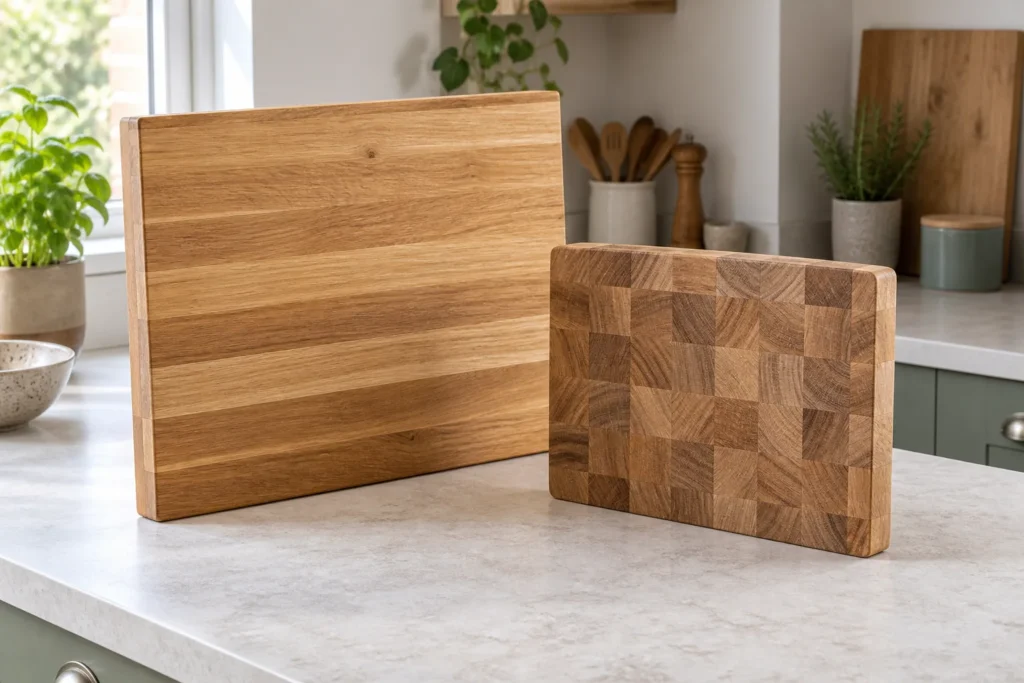
Image: AI-generated editorial illustration of generic equipment; not a photograph of a reviewed product.
Table of Contents
Identify the exact board and finish
Look for a brand, model or care leaflet and keep a photograph of the information. Check whether the maker describes the board as oiled, waxed, coated or finished in another way. If it was handmade, ask the maker which products were used and which maintenance method is intended.
Do not infer the finish solely from shine or colour. A surface can look dry or dull for different reasons. If the construction is unclear, resolve that uncertainty before using an oil, abrasive or treatment that could change it permanently.
Choose the approved product
John Boos’s care FAQ specifies its Mystery Oil or food-grade mineral oil for its boards and warns against cooking oils. It describes applying its oil, allowing overnight penetration and removing excess. These are instructions for the manufacturer’s board-care system, not a universal recipe for every wooden kitchen item.
Use the board maker’s current guidance together with the care-product label. Check that the product is intended for the food-contact use and finish involved. Do not substitute furniture polish or an unidentified household oil because it has a similar appearance or name.
Prepare a clear maintenance area
Plan the work so the board can remain undisturbed for the period its instructions require. Keep the area separate from active food preparation and protect the surrounding surface in a compatible way. Have the permitted applicator and a place for the board ready before opening the care product.
Clean and dry the board according to its own instructions before the oiling stage. Maintenance treatment does not replace cleaning, and covering an unresolved dirty or damaged area with oil does not establish that it is suitable for food preparation again.
Follow the stated sequence without inventing a schedule
Read which surfaces should be treated, how the product should be applied, how long it should remain and how excess should be removed. Keep those steps together rather than remembering only “oil the board”. Follow the product’s handling and disposal instructions for cloths and other materials afterwards.
Do not use one fixed calendar interval for every board. Frequency may depend on the board and its use, and the maker may describe condition cues as well as a schedule. Record the actual treatment date and product so future maintenance does not depend on memory.
Inspect condition separately from appearance
| Question | Information needed |
|---|---|
| What is the finish? | Maker’s construction and care description |
| Which product is permitted? | Board instructions plus care-product label |
| What is the application sequence? | Surfaces, waiting period and excess removal |
| Is damage present? | Maker’s repair or replacement advice |
Cracks, separating joints or a changed working surface need their own assessment. Do not assume repeated oiling will repair a structural problem. Ask the maker whether the board should be repaired, refinished or replaced before returning it to its normal task.
Make a first-use care note
For a newly bought board, record the exact finish and the approved maintenance product before discarding the packaging. A useful note has four fields: board model, product name, preparation steps and the maker’s stated drying or waiting instructions. Leave a field blank when it is unknown rather than filling it with a routine copied from another board. If several people share the kitchen, keep the note where whoever washes the board can find it. This avoids one person applying a finish treatment while another assumes the board is immediately ready for food preparation.
Keep the care record with the board
For a useful household record, save the product name, date and instruction link alongside a photograph of the board. This is especially helpful when more than one person maintains kitchen equipment. Our chopping-board guide covers broader material choices. The oiling decision should remain tied to the actual finish and approved care method of the board you own.