
A soup maker and a heated blender can overlap so much that the name on the box is not a reliable guide. Compare the jobs each model performs: heating ingredients, blending hot food, making cold drinks and cleaning the vessel afterwards. The right choice depends on which of those jobs you actually need.
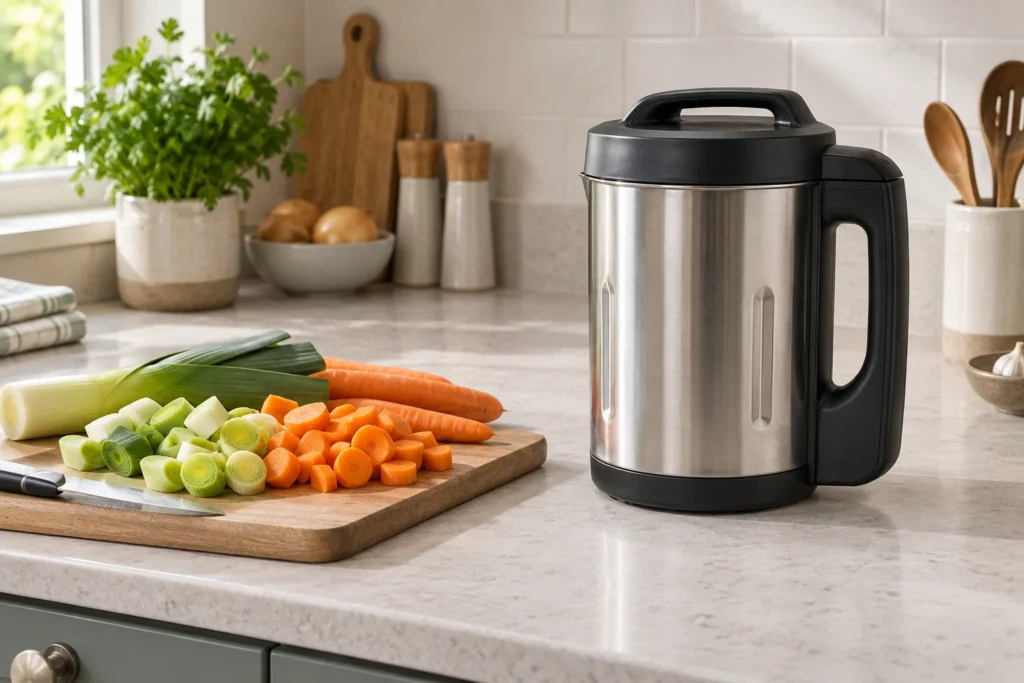
Image: AI-generated editorial illustration of generic equipment; not a photograph of a reviewed product. This comparison uses published manufacturer information, not hands-on testing.
Table of Contents
Establish where the heat comes from
A motorised blender is not necessarily a cooker. Check how the model makes soup: whether it cooks the ingredients itself or expects them to be cooked separately. Read its exact instructions for permitted input temperatures and cooking tasks before adding hot liquid. Our guide to checking whether your blender can handle hot soup explains which compatibility details to look for.
As an example of a genuine heated design, Ninja’s HB150UK product description identifies a built-in heating element, glass jug, soup programmes and cold-blending programmes. It lists a 1.4L maximum for hot blends. The product name alone would not tell you those details; the actual functions and limits do.
Compare a complete meal, not the number of buttons
Write down two typical uses: perhaps vegetable soup for lunch and a cold smoothie at breakfast. For each candidate, identify the vessel, required preparation, permitted quantity and programme. If a second appliance is needed to cook ingredients first, include that step in your comparison.
A model with many cold-drink programmes may be useful if it genuinely replaces your existing blender. If you rarely make cold drinks, a simpler soup machine may already cover your routine. Extra programmes are only an advantage when they reduce work you would otherwise do.
| Decision | Soup-focused appliance | Heated blender |
|---|---|---|
| Mostly vegetable soup | Check minimum batch and soup textures | Check hot limit and ingredient preparation |
| Soup plus regular cold drinks | Confirm cold-blending permission | Check cold recipes and jug suitability |
| Very small lunches | Minimum fill may be decisive | Hot minimum still needs checking |
| Frequent pouring and washing | Assess lid-mounted or base-mounted blades | Assess jug weight and electrical connections |
| Already own a good blender | May add a focused cooking task | May duplicate functions you already have |
Use the hot capacity for soup planning
A headline jug volume can refer to cold blending or total vessel size. Soup must use the hot limit stated in the manual and any minimum required for that programme. Do not calculate family portions from a larger cold-drink figure.
Compare the volume of your normal bowl with the permitted recipe range. A machine that makes four small starters may not make four main-course portions. Equally, a high minimum can create unwanted leftovers for one person. The useful capacity is the amount you can safely make and comfortably use, not the largest printed litre number. For more on minimum batches and portions, see our soup-maker capacity guide.
Handle the vessel before assuming it is convenient
A glass jug and a metal soup kettle feel different to lift, pour and clean. Check the handle, lid removal and space beneath the kitchen cupboards with the appliance cold. Think about where the lid rests while serving, particularly if it carries a blade assembly.
Allow for the complete loaded appliance, not just its empty appearance. If handling is difficult, ask for an in-person demonstration or check the documented weight and dimensions carefully. Product pages can contain inconsistent fields; when measurements affect accessibility or fit, confirm them with the manufacturer rather than guessing from a photograph.
Read cleaning and hot-blending rules before buying
Do not treat a “dishwasher safe” headline as permission to wash every part. Identify which components have electrical connections and which must be hand-cleaned. A powered cleaning programme may still leave a lid, seals or blade area to inspect. Check its water and detergent instructions separately.
Use our soup-maker guide for soup-oriented candidates. Then compare exact manuals against your two meals and the blender you already own. Choose the appliance that completes those tasks within comfortable handling, batch and cleaning limits.