
The best slow cooker for your kitchen is the one that fits the meals you actually repeat. Start with your usual recipe quantity, then decide how you want to brown ingredients, control the cooking period and wash the pot. A long feature list is less useful than a clear answer to those four questions.
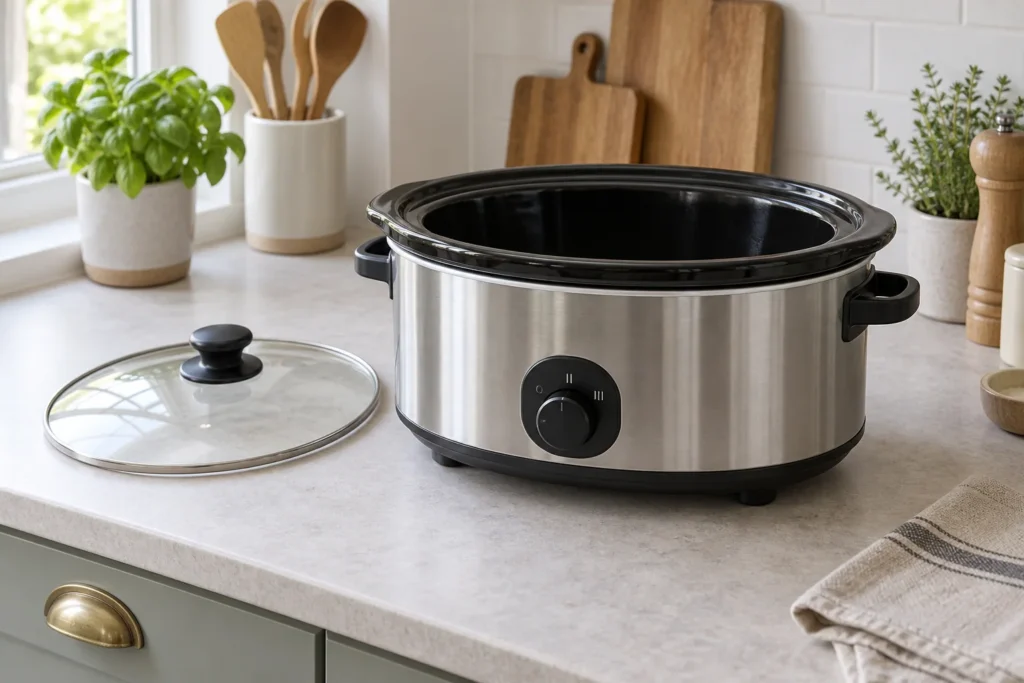
Image: AI-generated editorial illustration of generic equipment; not a photograph of a reviewed product.
Table of Contents
Write down one normal meal and one larger batch
Use a familiar stew, curry or bean dish as the normal meal. Record the ingredient quantities before cooking, whether the recipe needs browning and when you expect to serve it. Then repeat this for a larger batch you realistically make. An occasional party should not automatically determine the size of an appliance used for two people most evenings.
Advertised litres describe the vessel, not a guaranteed number of dinners. Pieces of food, required headroom and the manufacturer’s recommended fill range all affect the useful amount. If the bigger cooker would be substantially underfilled on most days, compare a smaller model before paying for spare volume.
Three documented designs to compare
These are examples of design choices, not a performance ranking. The Russell Hobbs 24180 lists a 3.5-litre capacity and removable dishwasher-safe pot and lid. The Morphy Richards 461020 is a 6.5-litre model with a hinged lid and a pot approved for hob use except induction. The Instant Superior manual describes slow cooking alongside sauté, steam and warm programmes.
| Design question | What it changes | What to check |
|---|---|---|
| Simple dial or digital controls? | A dial can be straightforward; a display can show progress and programme choices. | Exactly what happens when the selected time ends. |
| Separate pan, hob-safe pot or built-in sauté? | This decides whether browning needs another vessel and a transfer. | Your hob type and the particular pot’s instructions. |
| Loose or hinged lid? | A hinge affects the space needed above and behind the cooker. | Whether it removes for washing and fits under your cupboards. |
| Small or large bowl? | Everyday batch size determines how useful the appliance will be. | The recipe’s starting quantity and permitted fill range. |
For a closer look at two named alternatives, our Ninja PossibleCooker versus Russell Hobbs Good to Go comparison connects the documented functions with pot size, browning and everyday care.
Look beyond the timer label
A cooking countdown, a delayed start and an automatic switch to warming are different functions. Read the control instructions before treating any of them as a solution to a long workday. A timer does not by itself establish that raw ingredients can wait safely before cooking, nor does a warm programme prove that a particular meal can remain there indefinitely.
Draw your day as a short timeline: preparation, cooking start, expected finish and serving. If the controls do not support that plan safely, change the plan or choose a different appliance. This small exercise is more revealing than comparing the number of buttons.
Handle the pot before committing
If you can inspect a display model, consider the grip required to lift the empty insert, reach the bottom with a spoon and wash it in your sink. Do not judge handling solely by the appliance’s total weight: a removable pot and a complete cooker are different loads. Think about where the lid goes while you serve and where each component will dry.
For an online purchase, look for the model-specific manual and replacement-parts route. A clearly identified replacement insert or lid can matter more over time than an accessory you rarely use. Do not assume two bowls are interchangeable because their advertised capacities match.
Make the final choice with a short shortlist
Keep two or three candidates and note one practical advantage and one compromise for each. Someone who browns almost every dish may prioritise a compatible searing arrangement. Someone who mostly loads a recipe straight into the pot may prefer fewer components. If storage is tight, measure the cupboard opening and the route into it rather than relying only on a product photograph.
Choose after resolving your essential requirements. This is a specification-based buying method: it does not claim that any listed model cooks faster, tastes better or has been tested in our kitchen.
If your chosen slow cooker needs a separate browning pan, our cast-iron pan guide can help you assess that part of the setup.