
High and low are cooking settings; warm usually describes a different stage of use. Their exact behaviour depends on the slow cooker. Do not assume that high is always twice as fast as low, or that changing a dial makes an unsuitable recipe safe. Begin with the instructions for your model and a recipe written for slow cooking.
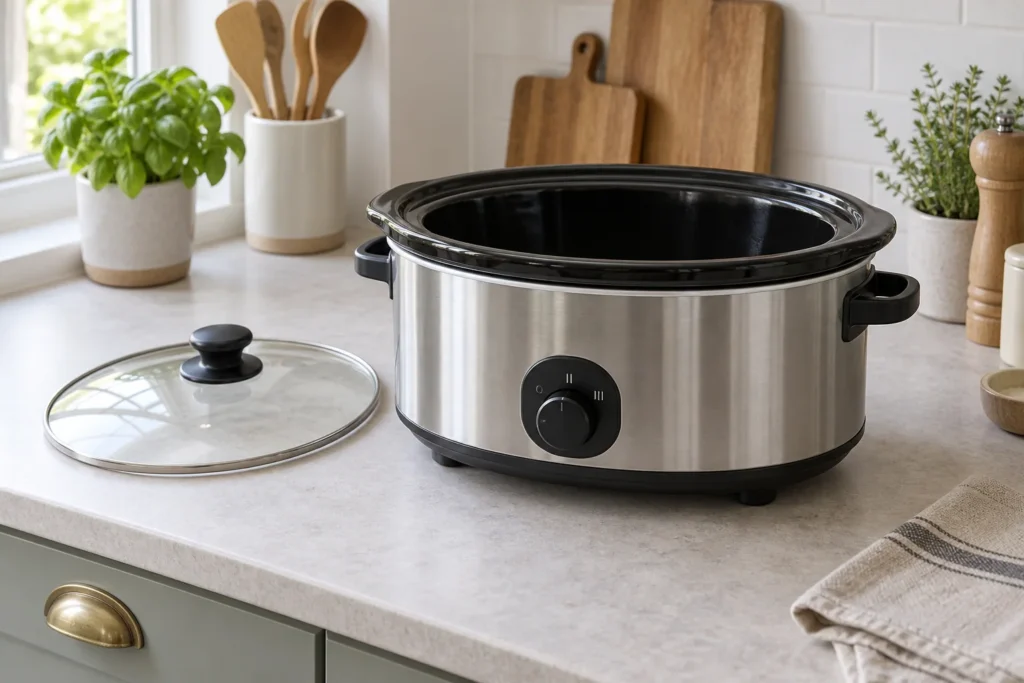
Image: AI-generated editorial illustration of generic equipment; not a photograph of a reviewed product.
Table of Contents
Why settings do not translate into one universal temperature
Manufacturers can control heat in different ways. Morphy Richards explains that its low, medium and high settings differ in how quickly they reach their final cooking temperature. That description should not be projected onto another brand or an electric pressure cooker’s slow-cook mode.
The food adds another variable. Starting quantity, ingredient temperature, piece size and the chosen vessel affect the cooking process. Two recipes can need very different times on a setting with the same name. Treat the name as a control choice, not a complete account of what is happening inside the meal.
| Situation | A useful response | An unreliable shortcut |
|---|---|---|
| Your recipe gives both low and high instructions | Use the complete method for the setting you choose. | Swap settings using a fixed multiplier from an unrelated recipe. |
| You have less time than the recipe allows | Choose a suitable alternative recipe or cooking method. | Assume high will compensate for any shortened time. |
| Cooking has finished before serving | Use an approved holding plan for that food and appliance. | Treat warm as an indefinite extension. |
| The result differs from last time | Compare quantities, preparation and settings. | Change several variables at once. |
Match the setting to the complete recipe
Check whether a recipe requires preheating, browning or adding certain ingredients later. These instructions can matter as much as the number beside the timer. If you select the high-setting version, use its accompanying method rather than combining a high cooking time with preparation steps taken from a different recipe.
When adapting a family casserole for the first time, choose an established slow-cooker method with comparable ingredients and a suitable quantity. A dish that happens to fit the pot is not automatically a validated slow-cooker recipe. Keep your first attempt observable so you can assess the texture and doneness at the appropriate stage.
Understand the separate role of warm
Read the warming section independently. Some appliances switch automatically; others require a manual choice. Some manuals describe functions differently even within the same brand. Do not use a generic statement about warming as permission to cook raw ingredients or slowly reheat leftovers.
The practical question is whether your finished meal, the appliance’s instructions and appropriate food-safety guidance support the intended holding arrangement. If they do not, adjust when you cook or serve. A convenient dial position cannot replace that decision.
Record useful observations without turning them into promises
Keep a small recipe note with the model number, ingredient quantity, selected setting and the result at the recipe’s checking point. Record a description such as “carrot pieces still firm” or “sauce needs finishing”, rather than deciding that every meal needs an extra hour. Specific observations help you change one relevant factor next time.
Texture and safe doneness are separate checks. Tender vegetables do not establish that every other ingredient has reached an appropriate temperature. Use suitable doneness checks for the particular food; do not rely on the sound of bubbling alone.
When to stop adjusting and check the appliance
If a familiar recipe suddenly behaves differently with the same quantities and settings, inspect the user instructions for troubleshooting. Confirm that you selected the intended programme and assembled the correct pot and lid. An error message, damaged cable or abnormal operation belongs with manufacturer support, not a workaround that simply extends cooking.
For normal meal planning, keep the rule straightforward: use a complete supported method for high or low, and treat warm as a separately assessed phase. That approach is more dependable than memorising a supposed conversion that ignores the recipe and machine.