
Choose mini cake tins by the size of each cavity and the number of finished cakes you want to serve. The number of holes in a tray is only the starting point. A twelve-hole tin makes twelve separate bakes in one load, but a dessert assembled from two layers uses two of those bakes for each finished cake.
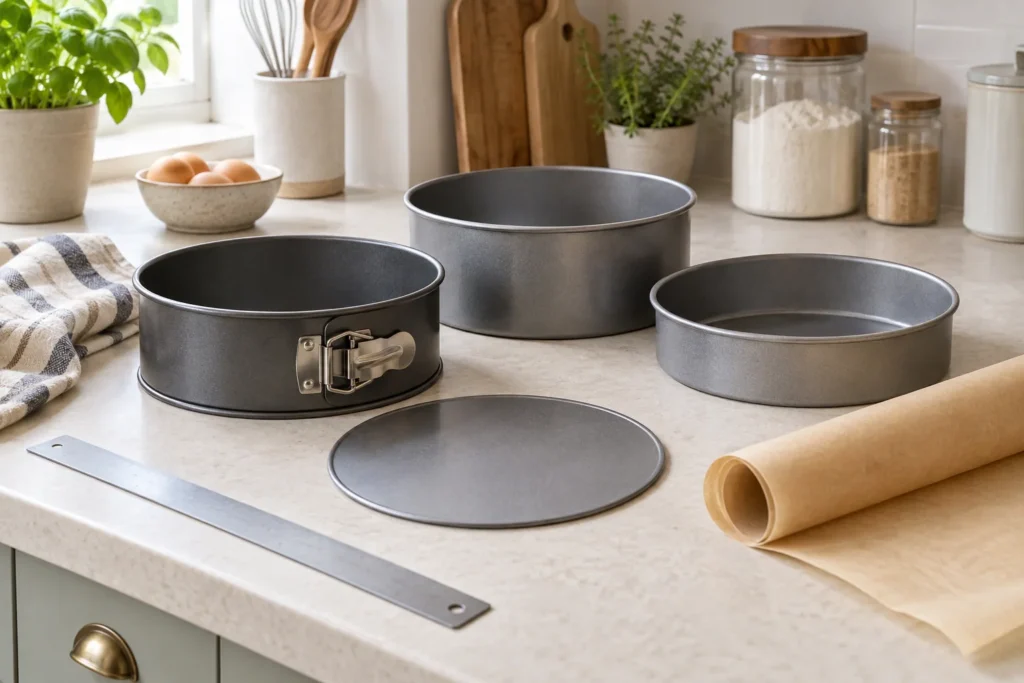
Image: AI-generated editorial illustration of generic equipment; not a photograph of a reviewed product.
Table of Contents
Count finished portions before cavities
Write down the intended assembly. Are you serving one cake per person, making two-layer miniature sandwiches or building several small tiers? Work backwards from that answer. For an illustrative twelve-person gathering with two layers per cake, you need twenty-four individual layers. A twelve-cavity tray therefore requires two full batches if the recipe is designed for that tray.
That arithmetic describes production quantity, not baking time or batter capacity. Do not divide a large-cake recipe into an arbitrary number of holes and assume the original method will work. Select a recipe written for the cavity type and size, or use its publisher's explicit adaptation notes.
Compare dimensions within each hole
Look for cavity width, depth and stated capacity rather than relying on the tray's external dimensions. Mini muffin, mini sandwich and individual decorative tins can all be described as miniature bakeware while producing different shapes. Tapered sides, straight sides and detailed patterns deserve separate consideration.
Lakeland 12 Hole Loose-Based Mini Sandwich Tin provides a concrete example of a tray with twelve individual loose bases and fill lines. Those features help identify its intended arrangement; they do not establish the correct amount of every possible mixture. Use any markings in the context of the manufacturer's instructions and the recipe you have chosen.
| Feature | Question to answer |
|---|---|
| Cavity shape | Does the recipe expect straight, tapered or patterned sides? |
| Individual base | How many pieces need to be seated, removed and washed? |
| Whole-tray dimensions | Does it fit the oven with a usable grip at the edges? |
| Finished-cake plan | How many baked pieces make one serving? |
| Recipe yield | How many trays or batches does the written method produce? |
Decide how each small cake will release
Small bakes can require more individual handling than one large cake. Consider whether the recipe allows inversion, needs a removable base or uses paper cases. Check how you will support each cake during removal and where it will go next. A decorative mould may also need a different preparation routine from a straight-sided cavity.
Practise with the empty tray and count the loose parts. If twelve separate discs seem likely to become mixed with other washing-up, plan a small container for storing them with the tray. Check all bases are correctly seated before preparing the mixture. Finding one missing disc at that stage is inconvenient; finding it after filling is considerably more awkward.
Plan the space between batches
Set aside enough cooling space for the complete first batch before starting. Include the serving or assembly area if the cakes will be filled later. A tray that fits the oven can still produce more individual pieces than your kitchen can comfortably accommodate at once.
Use the recipe's cooling and release directions and the tin's preparation instructions for subsequent batches. Do not assume the second batch can be poured into the same tin immediately. Build the schedule around the actual sequence, including washing or cooling where required, rather than multiplying an advertised baking time by the number of trays.
Buy for the batch size you will repeat
If you normally bake six small cakes, compare one six-cavity tray with a larger tray in the context of a suitable recipe. If you regularly cater for a larger group, two matching trays may simplify planning, but first check whether your oven instructions and recipe support using them together.
Keep a note of the tin's cavity dimensions and the recipe yield once you have chosen. Label your own successful attempts with the exact tray so future planning is based on something repeatable. The best miniature setup is the one that matches the finished portion, release method and available workspace, rather than simply offering the greatest number of holes.