
Good fridge and freezer organisation begins with the appliance operating correctly and the food’s instructions remaining visible. Clear boxes and neat labels help only when they support those basics. Use this guide to set up a short household check, with the exact food label and appliance manual beside you whenever they give more specific instructions.
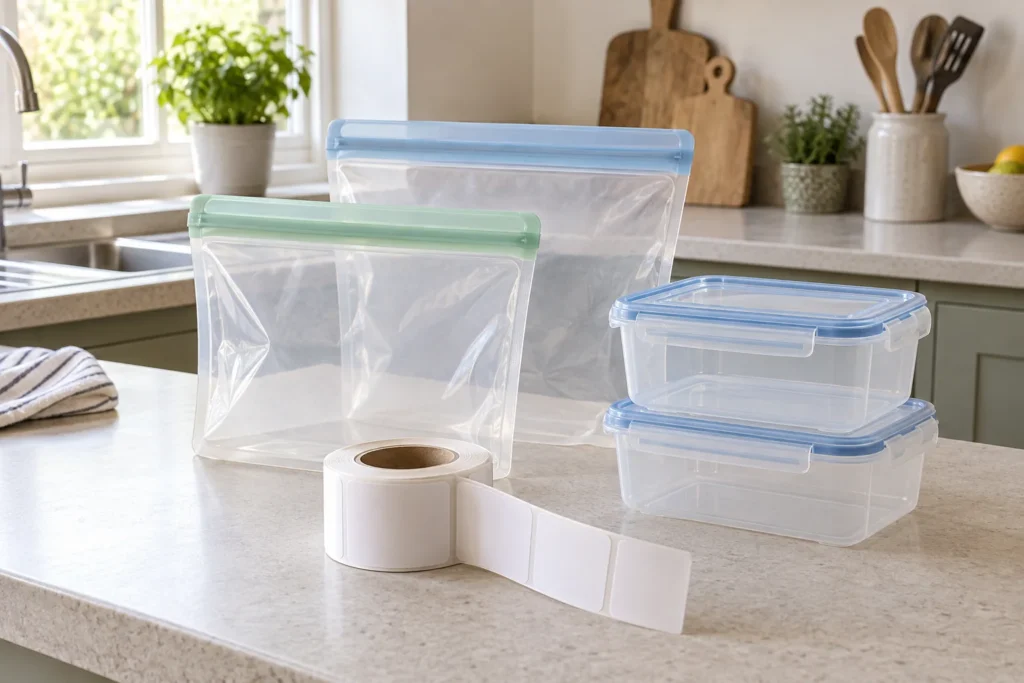
Image: AI-generated editorial illustration of generic equipment; not a photograph of a reviewed product.
Table of Contents
Check temperature rather than guessing from the dial
Food Standards Scotland recommends keeping a fridge between 0°C and 5°C and a freezer around −18°C in its chilling guidance. It also explains that the fridge’s numbered control dial is not necessarily a temperature reading in degrees Celsius.
Identify how your appliance displays or measures temperature and read its manual before changing settings. If you use a separate thermometer, follow its positioning and reading instructions. Keep a simple record if you are investigating inconsistent operation, rather than repeatedly changing the dial without knowing what the appliance is doing.
Read the food label before assigning a shelf
Look for refrigeration, freezing and after-opening instructions, along with the relevant date. A sealed jar may have different requirements once opened; a familiar packet may carry information you have not noticed before. Keep that information available when the contents move into another container.
Do not let a decorative storage system erase the distinction between foods. Use specific names on containers so other household members can identify what is inside without opening several boxes. A label should help someone make the next decision, not merely make the fridge look consistent.
Keep raw-food containment separate from visual grouping
Food Standards Scotland advises that thawing meat, fish and poultry should be covered or sealed on the bottom fridge shelf so liquid cannot drip onto other food. Follow that guidance and the food’s own instructions rather than grouping items solely by owner, colour or container shape.
Check that the container is suitable for the task and that its lid is the correct match. An open organisation tray can help move several packages but should not be mistaken for a sealed food container. If space is shared, agree an arrangement that preserves food separation as well as individual access.
Freeze with a clear identity and purpose
Follow the food’s freezing and defrosting instructions and do not use freezing to disregard a passed use-by date. Think about the portion you will want later. Several independently labelled portions can be easier to plan around than one anonymous block, particularly when different people eat at different times.
Record what the food is and when it was frozen, retaining any instructions needed for later use. Write the description before the contents become difficult to recognise. If a label is damaged or an item cannot be identified, resolve that uncertainty instead of inventing a date or assuming it is the meal you remember making.
Make retrieval part of the layout
| Routine | Useful household record |
|---|---|
| Temperature check | Actual reading and any appliance setting change |
| Opening a packaged food | Relevant after-opening instruction |
| Freezing a portion | Food identity, freeze date and necessary use instructions |
| Planning a meal | Which clearly identified portions are available |
Keep the most frequently retrieved items accessible without obstructing the appliance’s required airflow or overfilling it. Use its manual for shelf and drawer configuration. A short list outside the freezer can reduce searching, but update it when food is removed so it remains trustworthy.
When several people share the appliance, agree where the temperature record and food instructions can be found. Use a short note that identifies the appliance and the information source. This prevents one person treating a dial setting as a measured temperature while another assumes a photographed label belongs to a different container.
Review after ordinary shopping
Check whether new purchases still fit the layout and whether date information remains visible. Our kitchen storage guide offers wider organisational ideas. The useful result here is a fridge and freezer whose temperature, contents and instructions can be checked without guesswork.