
If a blender runs but the food does not circulate, stop and check the load before restarting. Ingredients may be packed above the blades, too thick for the recipe or outside the supported batch size. More running time is not always the answer, and a change in sound can also indicate a mechanical fault.
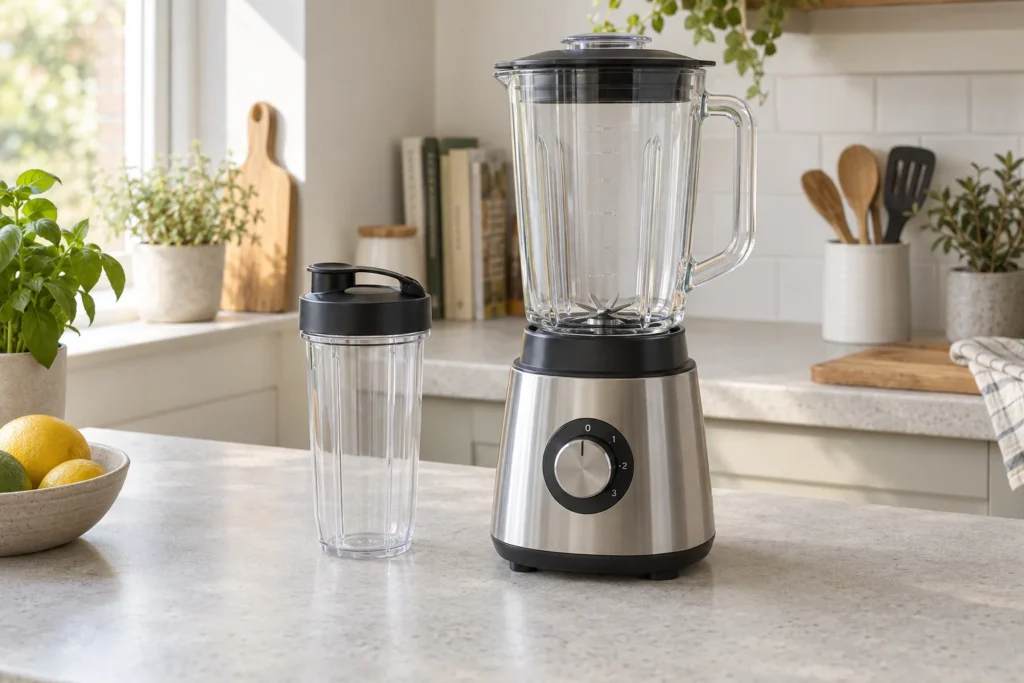
Image: AI-generated editorial illustration of generic equipment; not a photograph of a reviewed product.
Table of Contents
Separate poor flow from a machine fault
Switch off, disconnect and wait for the blades to stop. Note what happened: did the motor run normally while food stayed at the sides, did the blade stop, or did the appliance show an error? That distinction helps you follow the right troubleshooting section without repeatedly stressing the machine.
If there is leakage, smoke, a burning smell, damaged components or an unusual grinding noise, stop using it and seek the manufacturer’s advice. Do not dismiss a symptom as ordinary thick-mixture behaviour simply because the recipe contains frozen fruit. Never remove the motor cover or bypass a lid interlock.
Check quantity and the recipe’s order
Vitamix’s official support guidance discusses ingredient order, reducing an excessively heavy load and using its compatible tamper to resolve poor flow. Those directions apply to the named Vitamix system. Other blenders, especially inverted personal cups, may specify a different loading sequence.
Read the recipe and manual together. Did you add the correct amount of liquid, substitute an entire frozen block for loose pieces, or reduce the recipe so far that the blades cannot establish flow? A scoop of powder can also sit differently from a measured liquid. Restore the documented method rather than changing several ingredients at once.
Use only the approved way to move ingredients
A supplied tamper is designed for particular containers and lids. Use it only in the combination and manner approved by the manufacturer. The lid can be part of the physical stop that keeps the tamper away from the blades, so never remove it merely to reach further.
Where the instructions allow scraping, disconnect before opening and use a suitable scraper while staying clear of the edges. Remove the scraper before reassembling the lid. Never push food through an opening with a spoon, shake a running blender, or lift the jug from a moving drive.
| What you observe | First check with the power isolated |
|---|---|
| Food clings to the walls | Recipe quantity, thickness and permitted scraping method. |
| A frozen block sits above the blade | Approved piece size and whether the frozen load matches the recipe. |
| A very small amount barely moves | Whether the container supports such a small batch. |
| The motor stops or shows overload | The model’s cooling/reset instructions and load limit. |
| Leakage or unusual mechanical noise | Stop use and contact support rather than altering ingredients. |
Make one permitted adjustment at a time
If the manual allows it and the recipe can tolerate it, a measured liquid addition may help a thick mixture. Keep a note of what was added so you do not lose the intended consistency. If liquid would ruin the dish, a different approved vessel or method may be more appropriate than turning a spread into a drink.
A smaller load is another possible adjustment only within the supported recipe range. Transfer food to a clean suitable container before dividing it, rather than leaving ingredients balanced over the rim. Follow any required rest period before trying again; protection controls are not a way to schedule repeated overloads.
Use the manufacturer’s reset instructions
Cooling and reset procedures vary. Look up the exact model and error code, including whether it must remain unplugged and how long to wait. A single time quoted for another appliance is not a general blender rule. If the same permitted load repeatedly triggers a fault, support needs to assess the machine.
Have the model, serial number, recipe quantity and observed symptom ready when contacting support. A clear description such as “motor runs, ingredients stay above the blade, no error light” is more useful than saying only that it will not blend. Do not operate a faulty machine again simply to obtain a video.
Record the setup that works
When a safe correction restores flow, note the ingredient size, order and batch quantity for next time. Keep the recipe with the matching jug or cup instructions. If the problem is a recurring mismatch between your recipes and the appliance, the blender format guide can help frame a future purchase around your actual preparation needs.