
Three-ply and five-ply cookware have three and five layers in the construction being described. The layer count is useful only alongside the materials, thickness and extent of those layers. Ask whether the description concerns the complete body or a base assembly before treating a higher number as an upgrade.
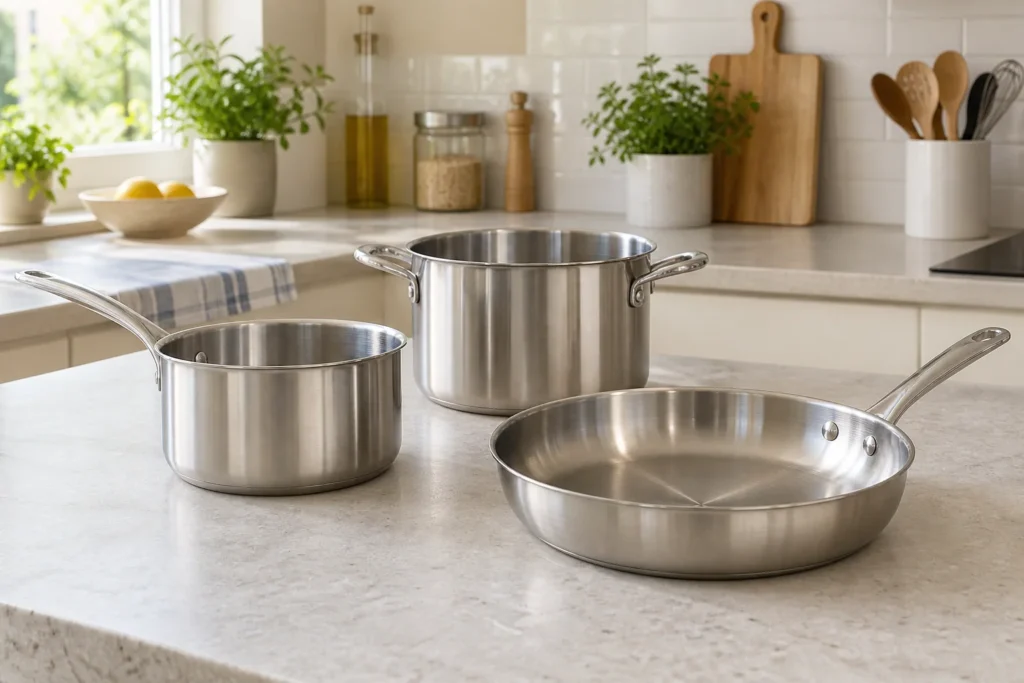
Image: AI-generated editorial illustration of generic equipment; not a photograph of a reviewed product.
Table of Contents
Read a layer sequence, not just a number
All-Clad D3 and D5 construction describes its D3 construction as stainless steel, aluminium and stainless steel; its D5 alternates five layers of those metals. Those are specific examples. Another manufacturer's five-layer pan may use different materials or proportions, so identical counts do not establish identical construction.
Write the sequence in order from the cooking surface to the exterior. If the maker does not provide it, ask. A diagram can be helpful, but distinguish a schematic illustration from a drawing that gives actual thicknesses. A visibly wide coloured stripe in a marketing image is not a measurement.
Check where the layers extend
Some descriptions refer to a bonded body, while others emphasise a thick multi-layer base. Those are different statements. Look for clear wording about the side walls as well as the underside. Do not infer full-body construction merely because a product title includes “ply”.
| Question | Why it helps |
|---|---|
| Which materials make up the layers? | A count alone does not identify the construction |
| Do they extend through the walls? | Separates body construction from base-only claims |
| Is thickness documented? | Helps avoid reading an illustration as a measurement |
| Is the cooking surface coated? | The body label does not settle surface care |
| What is the complete weight? | Connects construction with everyday handling |
Keep missing data visible in your comparison. It is better to ask a precise question than to assume a premium price supplies an answer.
Compare equivalent pan shapes
Choose candidates intended for the same task and with similar useful dimensions. A larger rim, deeper side wall or heavier lid can affect weight independently of layer count. Record the flat interior area, capacity where relevant and whether the quoted weight includes the lid.
Hold a cool display item if possible. A handle's shape and position influence how a pan feels, so two pans with similar weights may not be equally comfortable for you. Consider pouring, lifting from the oven and washing as well as how the pan sits on the hob.
Separate documented design from measured performance
Manufacturers explain why they choose particular layers, but this guide does not claim to have measured heat distribution, response time or energy use. Those outcomes cannot be quantified from a layer count alone. Avoid inventing a numerical improvement for a five-ply pan when no relevant independent test has been assessed.
Think instead about the cooking problem you want to solve. If your current pan is too small or awkward to lift, additional layers may not address it. If you are comparing construction for a particular recipe, look for credible evidence that matches the actual size and range rather than a general slogan.
Check the ordinary compatibility details
Read the hob and oven instructions for the complete item. Layered steel construction does not remove the need to check an induction base size, a handle covering or a lid limit. A coated version may also have different utensil and care requirements from an uncoated version in the same family.
Look at the rim and washing instructions. Follow the maker's current care guidance for the exact range rather than relying on an older product description. Keep product codes and instructions so future questions about marks or exposed edges can be addressed accurately.
Decide whether the difference is useful to you
Create a short comparison containing construction sequence, coverage, dimensions, weight, handle design, care and current delivered cost. Add the specific advantage you expect each candidate to provide. If the only stated advantage is “more layers”, the comparison is not finished.
Choose the pan that meets your task and handling needs with a clear specification. Three-ply can be the right purchase, and so can five-ply; the number does not settle the decision by itself. A well-understood complete design is a stronger reason to buy than an unexplained count on the packaging.