
A pressure cooker burn warning needs a safe stop and the exact model’s troubleshooting instructions. Do not keep restarting the same programme or force the lid to check the food. The warning concerns conditions detected by the appliance, and the cooker may still contain hot food and pressure.
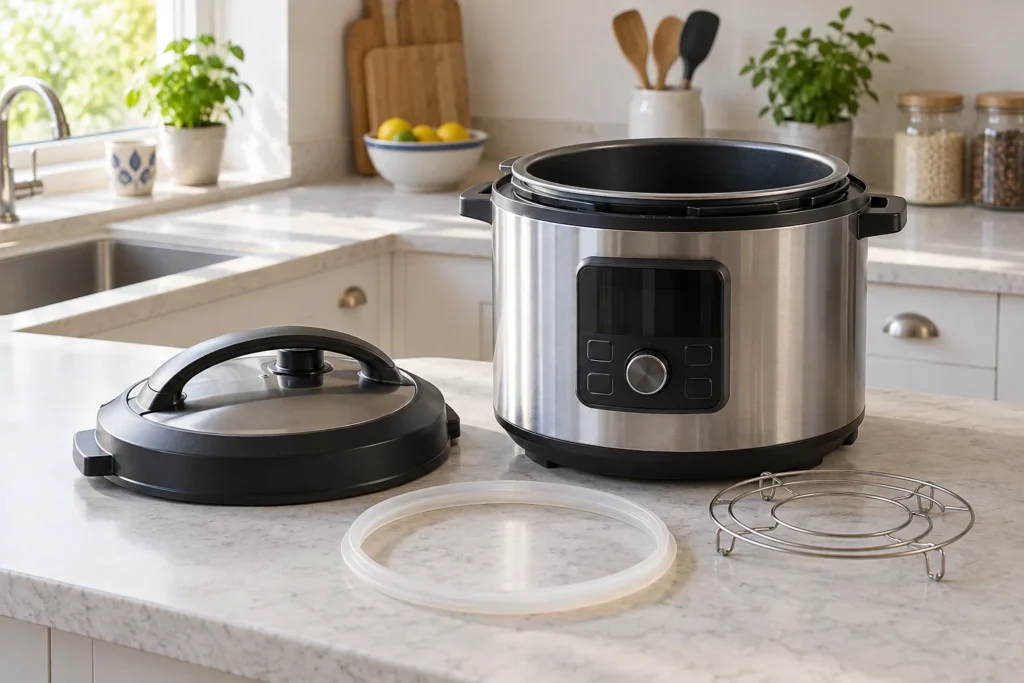
Image: AI-generated editorial illustration of generic equipment; not a photograph of a reviewed product.
Table of Contents
Read the warning as the maker defines it
The Instant Pot Pro UK manual describes Food burn as high temperature detected at the bottom of the inner pot. It identifies starch deposits as a possible factor and directs users to turn the cooker off, release pressure and inspect the base of the pot. Release and opening must follow the manual’s safety procedure.
A similar phrase on another brand may correspond to a different code or response. Note the exact display rather than reducing every error to “burn”. If the manual identifies a sensor or heater fault, use its support route instead of trying a recipe adjustment.
Keep clear while stopping and releasing
Cancel or switch off as instructed and use the permitted release method for the food. A stopped programme does not mean pressure has disappeared. Keep hands and face clear of steam, wait for the specified safe-opening indication and never pry the lid or push down the pressure indicator.
Do not add liquid through a vent or attempt to loosen the lid for a quick look. Leave the cooker in its safe position rather than moving a hot, possibly pressurised appliance to the sink. If you cannot establish that it is safe to open, seek manufacturer guidance.
Inspect only once it is safe
When the manual’s conditions are met, open carefully and inspect the inner pot. Look for a layer of food stuck to the base, the amount and consistency of liquid, and whether the correct pot was fitted. Protect your hands from hot metal and choose a safe place to set the lid.
If the food needs to be removed, use a clean suitable vessel. Do not scrape a burnt layer aggressively into the rest of the meal just to free the base. A warning does not tell you whether meat or another ingredient reached a safe cooking condition, so the food still needs a sound cooking and safety decision.
Review the recipe before retrying
Instant Pot’s Duo guidance emphasises deglazing before pressure cooking and using the required liquid. Deglazing means addressing food stuck after sautéing as the recipe directs; a thick layer left on the base can make the pressure stage a different situation from the published method.
Check whether you used a thickened sauce instead of the specified thin liquid, omitted a liquid addition or changed the order of ingredients. Review quantity and the applicable fill limit too. A recipe for a different cooker size may require adjustment guided by your manual, not a simple guess that another splash will solve everything.
| Observation after safe opening | What to review |
|---|---|
| Food firmly stuck to the base | Sauté and deglazing instructions, plus approved cleaning. |
| Very thick mixture | Specified liquid type and when thickening ingredients should be added. |
| Wrong pot or poor seating | Exact compatible inner pot and correct assembly. |
| Same warning with an approved recipe | Manufacturer troubleshooting and support. |
| Uncertain cooking completion | A safe food-cooking decision; the error is not a doneness check. |
Clean and reassess the appliance
Allow the pot to cool as instructed before cleaning, and use the permitted method for its material or coating. Check the outside of the inner pot and accessible base area without pouring water into the appliance. Do not use an abrasive tool to remove residue from a coated surface unless approved.
If the pot is warped, the base is damaged or an electrical symptom is present, stop using it. Repeatedly overriding a protective warning can hide a real problem. Contact the manufacturer with the exact error, model, recipe quantity and observations.
Keep a useful record for the next attempt
Once the cause is identified and the appliance is fit to use, return to a recipe approved for the model and follow it closely. Note any change you make, such as completing the specified deglazing step or correcting the liquid measure. If the problem recurs, those notes give support something concrete to assess and prevent a cycle of random ingredient changes.