
A serrated vegetable peeler is worth considering when its documented purpose matches the skins you regularly remove. It is a different blade task from making julienne strips or choosing between a Y-shaped and straight handle. Look at the produce first, then confirm that the exact peeler is designed for it.
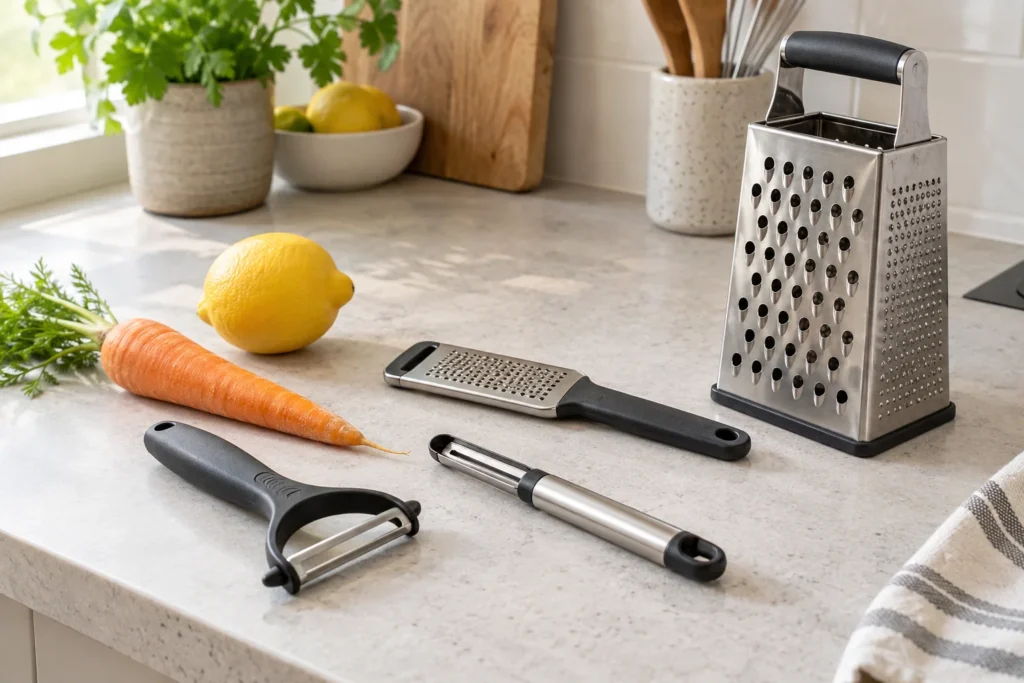
Image: AI-generated editorial illustration of generic equipment; not a photograph of a reviewed product.
Table of Contents
Identify the food that causes difficulty
Write down the fruit or vegetables you want to peel and what happens with the current tool. Does the blade fail to begin a controlled peel, or is the produce simply outside its intended range? A worn tool and an unsuitable blade type are different problems.
OXO’s peeler selection guide separates its serrated peeler for delicate produce from its tougher-skin and julienne designs. That is a useful task distinction within the range. Check the exact product’s named foods and instructions rather than extending the description to every soft fruit.
Separate serration from handle shape
The cutting edge and the grip are independent choices. A serrated blade may appear on a compact Y-shaped tool or another handle arrangement. Decide which blade task you need, then compare the handle dimensions and handedness information.
OXO’s three-piece Prep Peeler set illustrates the distinction: it includes straight, serrated and julienne blades in compact Y-shaped forms. Buying a set is not essential; the example shows why the silhouette alone does not tell you what a peeler produces.
Read the handling instructions
Check how the maker expects the food to be prepared and supported and which direction or movement it specifies. A video for a different model can conceal important differences in blade placement. Do not improvise a new grip close to the edge to compensate for produce that will not fit the intended method.
If the peeler feels awkward, stop and reassess the task, food condition and tool. More pressure is not a substitute for confirming suitability. Where access or grip is a particular concern, consider an appropriate demonstration before purchase rather than relying on a generic comfort claim.
Examine the blade housing
Look at the space around the serrated edge, the ends of the blade and any secondary sharp features. These areas need to remain accessible for the maker’s cleaning method. A protective cover is useful only when it is the correct part and can be fitted as directed after cleaning.
Check whether the blade is replaceable and whether the manufacturer actually offers a compatible replacement. A removable-looking mounting is not evidence that it should be dismantled. Keep the model code so you can distinguish a supported cartridge from one intended for another peeler.
| Question | Evidence to look for |
|---|---|
| Does it suit the produce? | Manufacturer’s intended foods and limitations |
| Will the grip suit me? | Handle dimensions and handedness information |
| Can it be cleaned? | Model-specific washing method and blade access |
| How is it stored? | Correct cover or protected storage position |
| What happens when it wears? | Supported replacement or service guidance |
Check whether a second peeler has a defined job
Write down the ingredient that repeatedly causes trouble with your current peeler and the maker-approved task you want the second tool to perform. If the difficulty is actually a worn blade or a loose mounting, a different tooth pattern does not address that condition problem. If the existing tool is sound but its documented scope does not cover the produce you use, a specialist blade may be worth investigating. Keep the tools easy to distinguish in storage so the intended task remains clear. This turns the purchase into a defined addition rather than a duplicate with a different label.
Decide whether it earns a separate place
Think about how often the relevant produce appears in your cooking. If it is an occasional task already handled well by another appropriate method, a dedicated peeler may add little. If it is frequent, the right blade type can be a purposeful addition without requiring a drawer full of near-duplicates.
Our kitchen-gadget guide covers broader preparation tools. For serrated peelers, keep the decision narrow: the intended skin-removal task, a suitable grip and an accessible cleaning routine. Those details matter more than treating all peelers as interchangeable accessories.