
Table of Contents
Introduction: Why Coffee Machine Filters Matter
A great cup of coffee hinges on more than just quality beans and a reliable machine. The humble coffee filter plays a surprisingly crucial role. It’s not merely about preventing grounds from ending up in your mug; the filter impacts the final brew’s clarity, body, and even flavour profile. Choosing the right filter extends the lifespan of your coffee machine by preventing clogging, and contributes to a consistently enjoyable brewing experience. In 2026, with a growing focus on sustainability and flavour nuances, understanding your filter options is more important than ever.
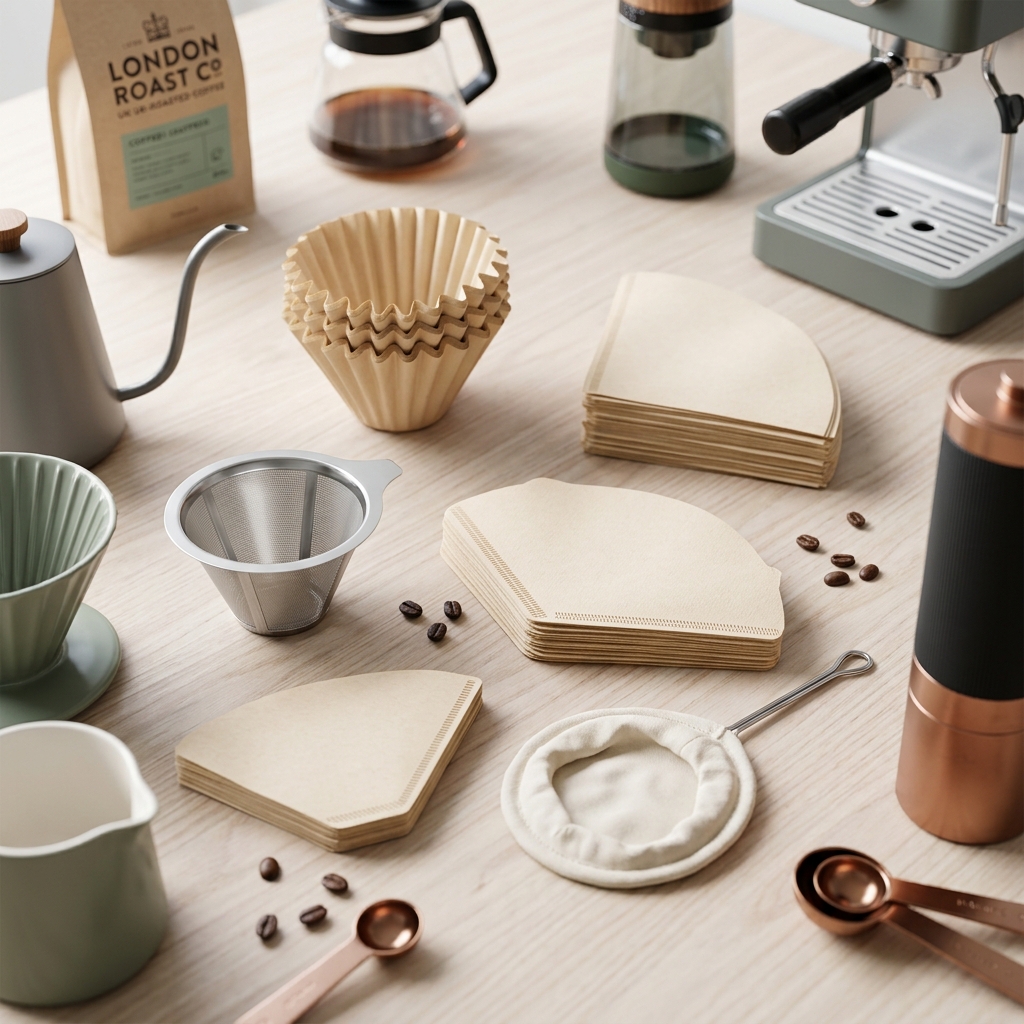
Types of Coffee Machine Filters
The UK market offers a diverse range of coffee machine filters. Here’s a breakdown of the most common types:
Paper Filters
The most widely used type, paper filters are disposable and available in various forms. They’re known for producing a clean cup of coffee with minimal sediment.
- Bleached Paper Filters: Treated with chlorine to whiten the paper.
- Unbleached Paper Filters: Made from brown paper, retaining its natural colour.
- Oxygen Bleached Paper Filters: Bleached with oxygen, considered a more environmentally friendly alternative to chlorine bleaching.
Gold Tone Filters
Reusable filters made from a fine metal mesh. They offer a balance between convenience and flavour, allowing some oils to pass through for a richer brew.
Permanent Filters
Typically made from stainless steel or nylon, these are designed for long-term use. They are a sustainable option but require regular cleaning.
Pod Filters
Specifically designed for pod coffee machines (like Nespresso or Dolce Gusto), these filters usually are part of the pod system, though reusable pod options exist.
Filter Materials: What’s the Difference?
The material of a coffee filter significantly impacts the brewing process.
- Paper Density: Thicker paper filters slow down the brewing process, resulting in a bolder flavour. Thinner filters allow for a faster brew and a lighter body.
- Gold Tone Filter Mesh Size: Finer meshes trap more sediment, producing a cleaner cup. Larger mesh sizes allow more oils and fines to pass through, creating a fuller-bodied brew.
- Stainless Steel Grade: Higher grade stainless steel is more durable and resistant to corrosion, ensuring a longer lifespan and preventing flavour transfer. 304 stainless steel is a popular choice.
- Nylon Filter Properties: Nylon filters are generally more porous than paper, allowing more oils to pass through. They require careful cleaning to prevent flavour build-up.
Compatibility: Finding the Right Filter for Your Machine
Using the incorrect filter can lead to spills, poor extraction, and even damage to your machine. Here’s a guide to compatibility with popular UK brands:
| Coffee Machine Brand | Filter Type | Typical Filter Size |
|---|---|---|
| De’Longhi | Paper, Permanent | Size 4, DLSC502 (Permanent) |
| Bosch | Paper, Permanent | Size 4, various Permanent options |
| Philips | Paper, Permanent | Melitta Type 1×4, various Permanent options |
| Nespresso | Pod Filters (Reusable options available) | Original Line, Vertuo Line (specific to model) |
| Dolce Gusto | Pod Filters (Reusable options available) | Specific to machine model |
| Sage | Paper, Stainless Steel Basket | Conical (V60 style), Sage specific baskets |
Conical vs. Basket Filters: Conical filters (like those used in Hario V60 pour-overs) are designed for a slower, more controlled brew. Basket filters (used in many drip coffee machines) are wider and flatter, allowing for faster brewing. Ensure your chosen filter matches your machine’s brewing method.
Paper Filter Breakdown: Bleached vs. Unbleached vs. Oxygen Bleached
The bleaching process impacts the filter’s potential to impart flavour and its environmental footprint.
- Bleached Filters: While effectively whitening the paper, chlorine bleaching can leave behind traces of chlorine, potentially affecting the coffee’s taste (a papery or chemical flavour).
- Unbleached Filters: Retain a slight papery taste, particularly when new. Rinsing the filter with hot water before brewing can mitigate this. They are a more natural option.
- Oxygen Bleached Filters: Offer a compromise – whitening without the harsh chemicals of chlorine bleaching. They are considered the most environmentally friendly paper filter option.
Environmental Impact: Paper filter production requires trees and energy. Disposable filters contribute to landfill waste. Choosing oxygen-bleached or opting for reusable alternatives can reduce your environmental impact.
Reusable Filters: A Sustainable Alternative
Reusable filters offer a cost-effective and eco-friendly solution.
- Cost Savings: Eliminates the ongoing expense of disposable filters.
- Environmental Friendliness: Reduces landfill waste and reliance on paper production.
Cleaning & Maintenance: Gold tone and stainless steel filters require regular cleaning with soap and water. Nylon filters may need more thorough cleaning to prevent flavour build-up. Occasional deep cleaning with a descaling solution can help maintain optimal performance.
Flavour Transfer: Poorly maintained reusable filters can transfer oils and flavours from previous brews, affecting the taste of subsequent cups. Proper cleaning is crucial.
Where to Buy Coffee Machine Filters in the UK (2026)
Coffee machine filters are widely available across the UK:
- Amazon UK: Extensive selection, competitive prices.
- Argos: Convenient access, often available for same-day collection.
- Currys: Wide range of coffee machines and filters.
- Lakeland: Specialist kitchenware retailer, high-quality filters.
- Robert Dyas: Good selection of household items, including coffee filters.
- Specialist Coffee Shops: Often stock premium filters and offer expert advice.
Pricing Guide: Coffee Machine Filters in 2026 (UK)
Prices are estimates and may vary depending on retailer and promotions.
| Filter Type | Approximate Price (2026) |
|---|---|
| Melitta KF75 Paper Filters (100 Pack) | £5.99 |
| Hario V60 Paper Filters (100 Pack) | £7.50 |
| Coffee Filters UK Reusable Gold Tone Filter | £14.99 |
| De’Longhi DLSC502 Permanent Filter | £18.50 |
| Brita Fill ‘n’ Go Filter Bottle (Coffee compatible) | £22.00 |
| Sage Stainless Steel Coffee Filter Basket | £25.00 |
Troubleshooting: Common Filter Issues
- Filters Collapsing: Ensure the filter is properly seated in the filter basket. If using paper filters, try a different brand or a slightly larger size.
- Coffee Grounds Passing Through: Use a finer grind size or a filter with a tighter mesh (e.g., thicker paper filter or finer gold tone filter).
- Filter Affecting Coffee Taste: Rinse paper filters with hot water before brewing. Thoroughly clean reusable filters. Experiment with different filter types to find the best flavour profile.
Conclusion: Choosing the Best Coffee Filter for You
The “best” coffee filter depends on your brewing preferences, budget, and commitment to sustainability.
- For Cleanest Cup: Oxygen-bleached or unbleached paper filters.
- For Richer Flavour: Gold tone or stainless steel reusable filters.
- For Convenience: Paper filters, although less environmentally friendly.
- For Sustainability: Reusable filters (gold tone or stainless steel).
By considering these factors, you can select the coffee machine filter that helps you brew the perfect cup, time after time.
FAQ
Q: Are bleached coffee filters harmful?
While the amount of residual chlorine in bleached filters is generally considered very low, some individuals may prefer to avoid it. Oxygen-bleached or unbleached filters are safer alternatives.
Q: How often should I clean a reusable coffee filter?
After each use, rinse the filter thoroughly with soap and water. Once a month, consider a deep cleaning with a descaling solution to remove any built-up residue.
Q: Can I use a metal filter with any coffee machine?
Not necessarily. Ensure the metal filter is the correct size and shape for your machine’s filter basket. Some machines are specifically designed for paper filters only.
Q: Do paper filters affect the caffeine content of my coffee?
No, the type of filter used has a negligible effect on the caffeine content. Caffeine extraction is primarily determined by factors like brew time, water temperature, and coffee grind size.
Q: Are there biodegradable paper filters available?
Yes, though they are less common. Look for filters marketed as compostable or made from rapidly renewable resources. These often come at a slightly higher price point.