
When food sticks to a stainless steel pan, first work out what happened and when. Food tearing during an early turn, a dark burnt patch and a sticky film left after washing are different problems. A useful next attempt changes one relevant part of the method instead of increasing the heat and oil together.
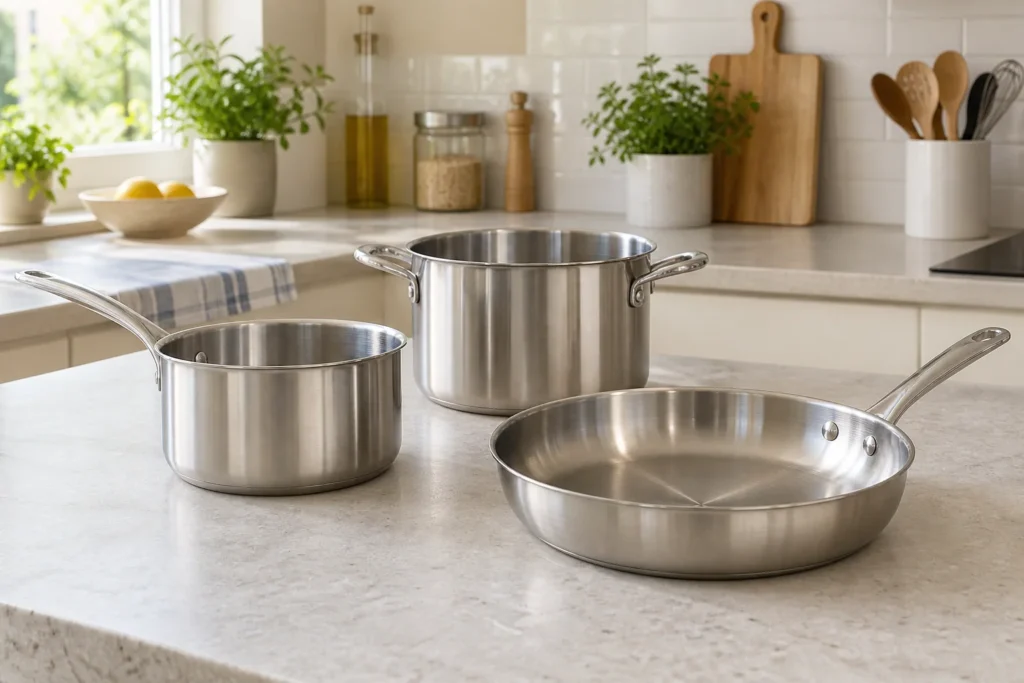
Image: AI-generated editorial illustration of generic equipment; not a photograph of a reviewed product.
Table of Contents
Confirm the cooking surface
Make sure the pan is uncoated stainless steel. Some pans have a stainless body and a non-stick interior, and their instructions can differ. Look up the exact model before applying a preheating or cleaning technique intended for a different surface.
All-Clad’s stainless steel guide emphasises moderate heat, an appropriate cooking fat and patience before turning food. These are useful variables to review, not a guarantee that every ingredient will slide freely. Follow your pan’s own instructions and a suitable recipe; do not use maximum heat as the default remedy. All-Clad stainless steel cooking guide
Describe the failure precisely
Write a sentence before cleaning: the egg tore when lifted, the onions caught in the centre, or a fish portion released at one end but not the other. Record where the problem occurred and whether the residue was pale, browned or burnt.
That observation narrows the next question. If one part catches repeatedly, review pan placement and how the food was arranged. If everything burns before the expected turning point, review the recipe, setting and preparation. Neither pattern proves a manufacturing defect by itself.
| Observation | Useful next question |
|---|---|
| Food tears during the first turn | Was it moved before the recipe’s intended stage? |
| One crowded patch remains wet | Was the batch larger than the recipe or pan allowed? |
| Residue is already present before cooking | Was the surface properly cleaned? |
| Food burns despite sticking | Was heat increased to force release? |
| A new ingredient behaves differently | Is the same method actually suitable for it? |
Start with a known method
Choose one straightforward recipe written for a suitable pan. Keep the ingredient amount, preparation and sequence consistent. Follow the stated guidance for adding fat and food rather than combining several incompatible online techniques.
Do not turn a water-droplet demonstration into a target temperature for every meal. It does not establish that an egg, a sugary sauce or a piece of fish needs that same pan condition. The recipe and cookware instructions provide a more useful starting point than a dramatic visual trick.
If food is resisting a turn, do not scrape forcefully or leave it indefinitely while waiting for a promised automatic release. Follow the recipe’s progress cues and cooking requirements. Browning and release are not substitutes for checking that food is properly cooked.
Make a small cooking record
Use five headings: pan and zone, recipe amount, preparation, heat sequence, and result. Note the actual setting on your hob without assuming that medium means the same thing on another appliance.
For example, a record might say that the recipe was doubled but the pan was unchanged. The next sensible comparison is the recipe’s original batch size, keeping the rest of the instructed method consistent. Changing the pan, oil, quantity and temperature simultaneously would make the outcome difficult to interpret.
This is a household troubleshooting record, not a performance test or a promise of perfect results. Stop an attempt that is burning or otherwise going wrong and follow normal food and appliance safety guidance.
Finish with a clean starting point
Once the pan has cooled as instructed, clean it using the maker’s approved method. Distinguish removable cooking residue from a damaged or separating surface. If the construction looks compromised, seek the manufacturer’s assessment before using it again.
Keep successful notes with the recipe rather than creating a rigid rule for every stainless pan. You may decide to use stainless steel for some dishes and another suitable surface for others. The aim is a repeatable method that suits the food and equipment, not to make every pan behave identically.