
Food storage containers for the fridge should make food easier to find and retrieve. A perfectly fitted row is less useful if it hides dates, obstructs another shelf or makes a small leftover portion difficult to recognise. Begin with your fridge’s actual layout and the food that regularly needs a home there.
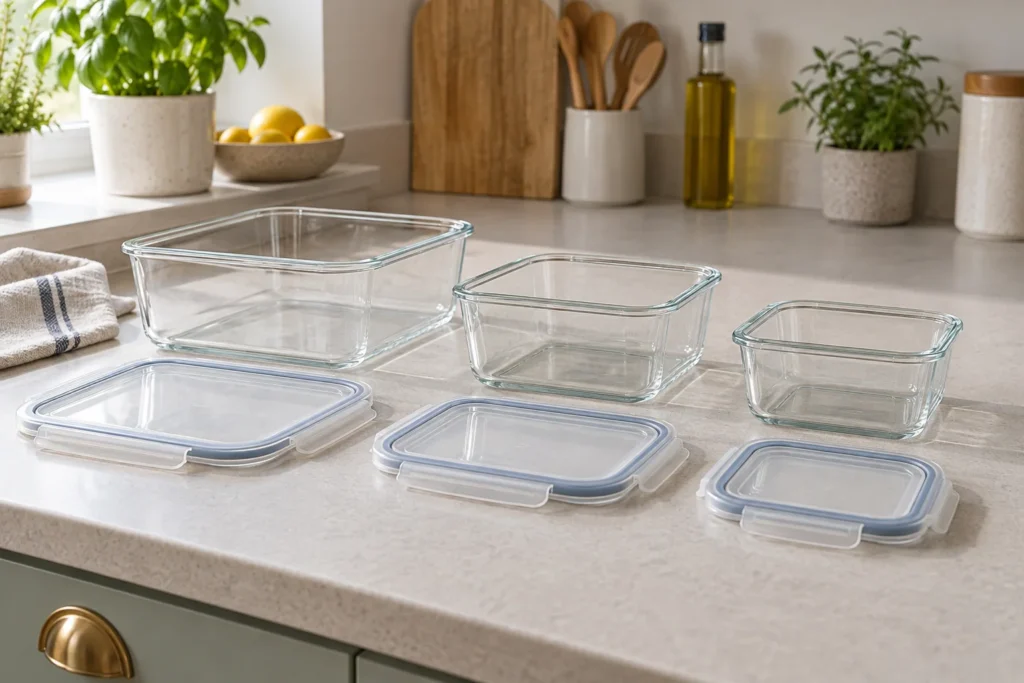
Image: AI-generated editorial illustration of generic equipment; not a photograph of a reviewed product.
Table of Contents
Measure the shelf you intend to use
Record the clear width, depth and height, accounting for door shelves, hinges and any raised shelf edge. Check the path a container must travel when being removed. Something can fit at the back of a shelf without being easy to bring past a projecting door compartment.
Include clips and lid handles in the container’s external measurements. If you plan to stack boxes, measure the height of the complete stack rather than adding only the body heights. Check your fridge manual before changing shelf positions, and preserve any clearances or airflow requirements it specifies.
Leave the layout room to work
Food Standards Scotland advises against overfilling the fridge so air can circulate, and recommends checking that the temperature remains between 0°C and 5°C in its chilling guidance. Containers are therefore part of an operating fridge, not blocks for filling every empty space.
Do your measuring and layout sketch promptly rather than leaving the door open while considering alternatives. A paper plan outside the fridge lets you compare arrangements without repeatedly moving chilled food. Mark any area that the appliance instructions require you to leave unobstructed.
Separate containment from organisation trays
A tray used to group several packages is not automatically a food container intended for direct contact or a substitute for a secure lid. Identify the role of each piece before buying. You might need a sealed box for one food and a simple organiser to make several already packaged items easier to retrieve.
Keep official food-separation guidance ahead of visual grouping. Do not put unrelated foods together merely because their packets fit the same tray. If one shelf is shared by several people, make the ownership labels clear while preserving the storage conditions and separation each food requires.
Make labels visible from the opening
Choose the position of labels after placing an empty container on the intended shelf. On a high shelf you may see the front better than the lid; in a low drawer the reverse may apply. Use wording that identifies the actual contents, rather than relying on a vague description such as “leftovers”.
Keep the original food instructions and dates available when transferring contents. A new box does not reset the food’s history. If the container hides the original packaging, choose a consistent way to retain the information needed by everyone who uses the fridge.
Choose portions that can be retrieved independently
Consider whether several smaller boxes would serve your routine better than one large vessel. The right answer depends on how food is used: a single shared dish and separately packed lunches have different retrieval needs. Compare the number of complete boxes needed at the same time rather than buying around a headline set size.
| Fridge problem | Container decision |
|---|---|
| Small portions disappear | Use identifiable sizes and visible labels |
| Back-row boxes are inaccessible | Reduce depth or rearrange the retrieval route |
| Lids project into the door | Measure complete external dimensions |
| One box must be disturbed repeatedly | Consider portions in independently accessible containers |
As a planning example, three narrow boxes across a shelf may let you remove individual portions, while one broad box might suit a dish shared at one meal. Neither arrangement is inherently better. Draw both footprints and check which matches the way the food will be used, while retaining the appliance clearances and required food separation.
Trial one shelf before expanding
Place a few suitable empty containers in the planned positions to check fit, then return the fridge to its normal use. Over the next ordinary shopping cycle, note which shapes earn their space. Our kitchen storage guide covers wider organisation; within the fridge, prioritise clear food identity, correct storage and uncomplicated access.