
A food storage label should answer the question you will ask later. “What is this?” may be enough for a jar of dry pasta, while a frozen meal also needs a reliable record of when it was prepared or frozen and the instructions required for use. Begin with the information, then choose a label material and position that will keep it readable.
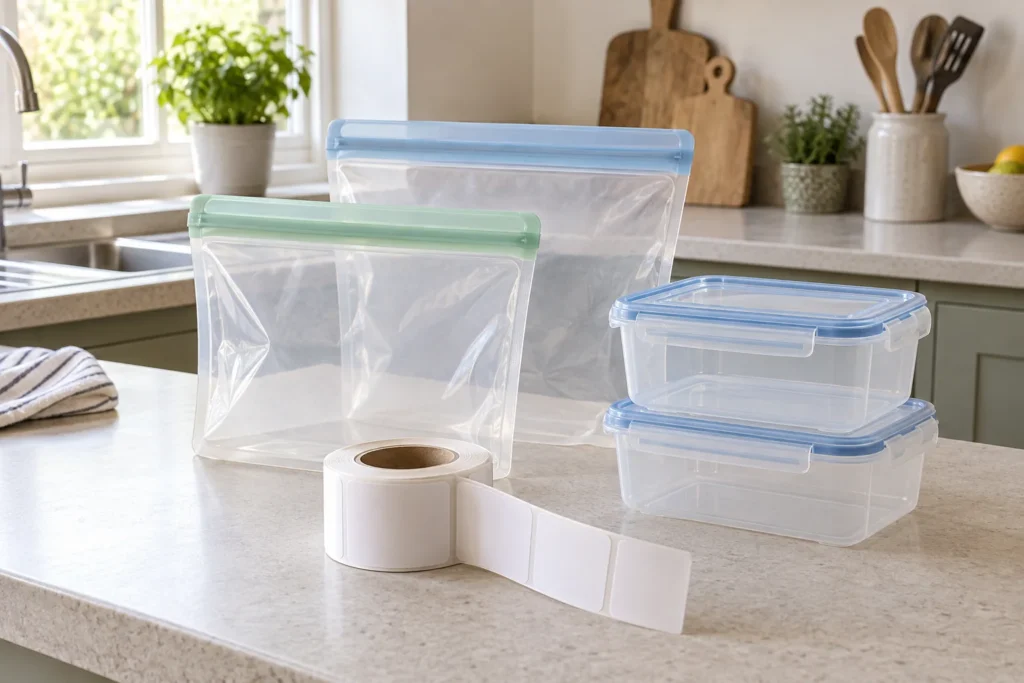
Image: AI-generated editorial illustration of generic equipment; not a photograph of a reviewed product.
Table of Contents
Keep different dates distinct
The FSA’s household student guide distinguishes use-by dates, which concern safety, from best-before dates, which concern quality. It also recommends labelling frozen food with its contents and freezing date. Do not replace these different meanings with one unexplained number on a lid.
Use words such as “opened” or “frozen” next to a date when that is what you have recorded. Retain the original food instructions rather than assuming a handwritten label extends them. If you cannot recover a missing date, a newly written label cannot make that uncertainty disappear.
Choose a consistent information order
Put the food name first, followed by the relevant date and any instruction reference your household needs. Use a specific description: “vegetable soup” is clearer than “lunch”, and the actual flour type is clearer than “baking”. Keep the wording short enough to read without picking up the container.
For decanted packaged food, retain ingredients and other important label information in a reliable way. That might mean keeping the original label with the container or recording it alongside a photograph. Choose a method that another household member can find without asking the person who filled the jar.
Position labels for the actual view
Place an empty container where it will live and look at it from the normal opening position. A front label is often easier to see on a shelf; a lid label may be more useful in a drawer. On a deep shelf, consider whether the back row can be identified without moving every front container.
Use clear contrast and lettering large enough for the people reading it. Do not rely on colour alone to distinguish dates, contents or ownership. Colour can reinforce a written category, but the label should remain understandable when seen in different light or by someone unfamiliar with the system.
Check the label’s environment
Look for the label manufacturer’s instructions for the surface and conditions involved. A label intended for a dry cupboard is not automatically suitable for a freezer or dishwasher. Likewise, a pen that writes on one label may smudge or become difficult to remove from another.
Check whether the container maker permits adhesive labels or direct marking in the proposed location. Keep labels out of food-contact areas and away from components whose operation they could obstruct. If removability matters, choose a supported combination rather than testing an aggressive cleaner on the container later.
Use a small household template
| Storage situation | Information to retain |
|---|---|
| Decanted dry ingredient | Specific identity and original relevant label details |
| Opened packaged food | Opening record and the maker’s after-opening instruction |
| Frozen prepared food | Specific contents, freezing date and necessary use instructions |
| Shared cupboard item | Ownership or shared-use status where helpful |
Keep a pen and spare labels where you fill containers, while storing them appropriately away from the food itself. The system is more likely to be used when the writing step is convenient and does not require searching another room.
For an illustrative freezer label, write “vegetable soup — frozen [date] — two portions” and retain the relevant preparation and use information elsewhere in the same system. The square-bracketed date must be replaced with the real record, not an estimate. This format communicates identity and quantity without inventing a storage-life promise.
Remove obsolete information
Before reusing a container, remove or update the old label using a method allowed for that product. Conflicting dates are less useful than one accurate record. Our kitchen storage guide can help organise the surrounding shelves; labels should make the contents understandable throughout that layout.