
A small slow cooker can be the right choice for a household that cooks modest quantities regularly. A large one makes sense when larger batches are routine and manageable. The useful question is how your normal recipe fits within the permitted working space, rather than how many people a retailer says the cooker serves.
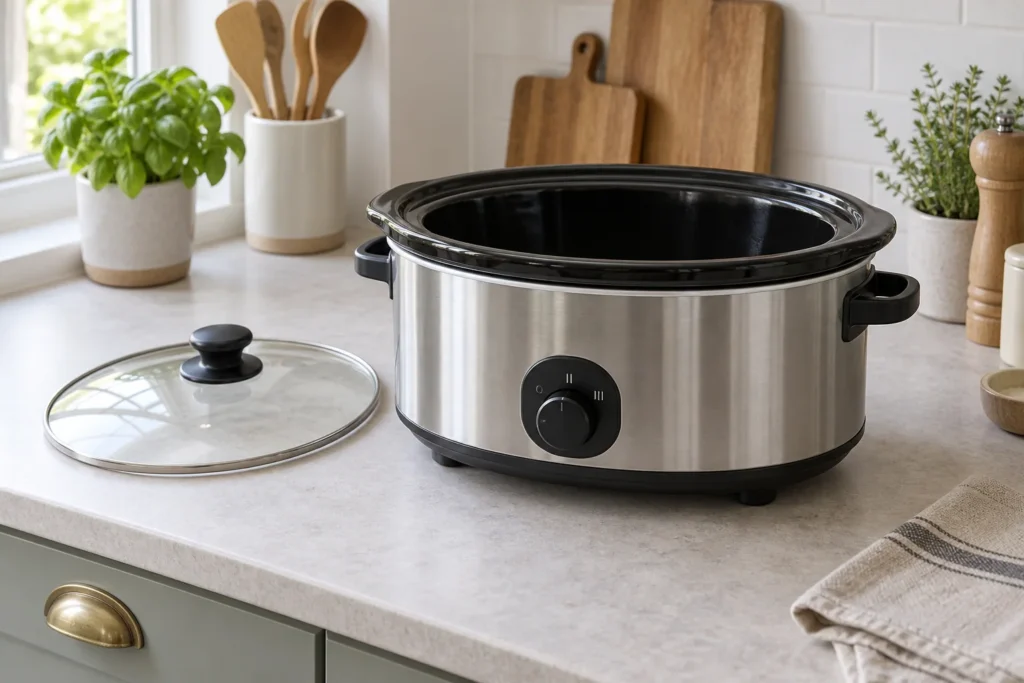
Image: AI-generated editorial illustration of generic equipment; not a photograph of a reviewed product.
Table of Contents
Measure the recipe you already make
Choose two familiar meals: the smallest regular batch and the largest batch you make often enough to justify accommodating it. Write down the ingredients before cooking, including liquid. A cooked portion in a dinner bowl is a poor proxy because ingredients can change volume and release liquid during cooking.
You can use a separate measuring jug or bowl to understand the starting quantity during normal preparation. Do not pour water into an electrical base to measure anything. The result is a planning figure, not permission to exceed the cooker’s markings or to compress ingredients until the lid fits.
Separate total capacity from working capacity
The Russell Hobbs 24180 manual advises leaving approximately a quarter of the pot unfilled for expansion. That is a model-specific example, not a universal fraction to apply to every slow cooker. A recipe should fit the instructions for the exact appliance, including any minimum quantity.
A larger headline capacity therefore does not mean the entire difference becomes extra food. Ask for the useful fill guidance when comparing two bowls, particularly if your normal meals are at opposite ends of their suggested ranges. If the manual does not provide enough information to assess your smallest batch, ask the manufacturer before buying.
| Your observation | What it suggests | Next check |
|---|---|---|
| Most meals are small; bulk cooking is rare | Prioritise the usual batch. | Confirm that batch meets the smaller cooker’s instructions. |
| You freeze portions after nearly every cook | A larger pot may suit the routine. | Check cooling, container space and lifting arrangements as well as capacity. |
| Recipes use long or awkwardly shaped ingredients | The bowl’s shape matters. | Compare internal length and width, not only litres. |
| The cooker must live in a cupboard | Storage can become the deciding factor. | Measure handles, lid height and the cupboard opening. |
Round and oval are practical differences
An oval bowl gives a different footprint from a round bowl of similar volume. Think about how you arrange the ingredients you actually use, the room available on the worktop and the shape of your sink. A wider vessel can also be awkward to carry through a narrow kitchen even when its height looks convenient.
Sketch the available rectangle on paper using the manufacturer’s verified exterior dimensions. Include the handles and space to operate or remove the lid. This is a storage and access check, not a claim about required ventilation clearances: use the appliance manual for those.
If your usual meals include dumplings, read our slow-cooker dumpling timing guide alongside the chosen stew recipe and the appliance’s fill instructions. Include the planned dumpling count, size and later additions when assessing whether that meal fits.
Use a capacity worksheet before ordering
Make five lines in a notebook: normal starting recipe quantity; occasional larger quantity; permitted minimum and maximum fill; exterior footprint; and empty insert weight if the manufacturer provides it. Mark unavailable figures as unknown rather than filling them with an estimate from a photograph.
Now work through a real evening. Where will you prepare the ingredients? Can you reach the socket without moving other hot equipment? Where will the pot stand for serving, and where will the cooled insert be washed? A bowl that fits the recipe but makes each of these steps awkward is not necessarily the useful size.
Avoid buying capacity for an imaginary routine
If the large batch is an aspiration rather than a habit, begin by planning what you would actually do with the extra food. Freezer space, suitable containers and time to portion the meal can limit useful batch size. Buying the largest available cooker does not remove those constraints.
There is no single litre-to-person conversion that covers appetite, side dishes and recipe type. Choose the smallest candidate that comfortably supports your genuine regular needs within its instructions. Move up a size when you can name the recurring meal that needs the room, rather than simply because the price difference is small.