
For ice crushing, look for explicit instructions that permit ice in the container you will use. The important details are the maximum ice quantity, cube preparation, whether liquid is required and the approved programme. A high wattage figure cannot supply any of those missing instructions.
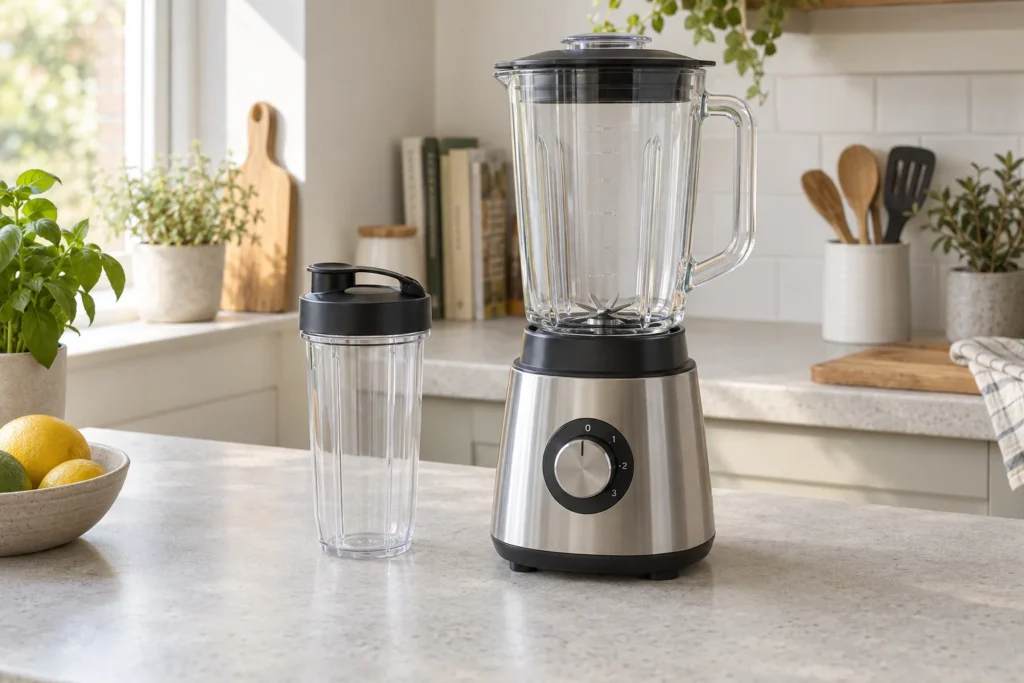
Image: AI-generated editorial illustration of generic equipment; not a photograph of a reviewed product.
Table of Contents
Define the ice job
Crushed ice for a drink, a smoothie containing a few cubes and a thick frozen dessert are different loads. A machine may be suitable for one without being designed for all three. Write down the result you want and the approximate amount needed for one serving before comparing products.
If you normally make two drinks, consider whether a permitted batch covers both or requires a second run and cooling interval. A compact blender may still be practical for occasional drinks if the manual supports that use; a larger jug can be inconvenient if your small quantity barely reaches the blades.
Find a specific ice allowance
The Sage Fresh & Furious SBL620 manual provides an AUTO PULSE/ICE CRUSH programme and limits an ice batch to one standard tray or 250g. That is useful evidence for that model, not a universal ice allowance. Its programme information is stronger evidence than a seller’s broad claim that a blender handles frozen ingredients.
Use a measured mass where the manufacturer gives one. Ice trays vary, so “one tray” without context can be misleading. Read any restrictions on cube dimensions, liquid and frozen fruit separately. A large frozen block from a takeaway container is not equivalent to the individual cubes shown in a recipe.
Compare the whole vessel assembly
Check the jug, blade assembly, lid lock and base together. A replacement jug must match the same machine’s compatibility list; being made of glass or fitting over the coupling does not establish that it is approved for impact from ice. Look for a replaceable jug and support for the exact model if you expect frequent use.
Consider handling after processing. A heavy jug with a narrow pouring opening may be awkward when you need to tip out coarse ice rather than pour a thin drink. A removable blade can change the cleaning procedure, while a fixed blade leaves a sharp assembly inside the vessel. Neither is a reason to reach in by hand.
| Specification to find | Why it matters |
|---|---|
| Explicit ice instructions | Confirms the task is permitted in that container. |
| Maximum ice quantity | Sets a batch you can compare with your normal serving needs. |
| Liquid requirement | Distinguishes a drink blend from dry crushing. |
| Run and rest limits | Tells you whether repeated batches are practical. |
| Replacement jug and blade support | Helps assess ownership after a damaged component. |
Use the approved programme without forcing the load
Follow the published loading order and secure the correct lid. Start only with the jug properly fitted. If the cubes bridge above the blade or the motor stalls, stop and disconnect before investigating. Never shake or lift a running jug to dislodge ice, and never insert a spoon into moving blades.
Only use a supplied compatible tamper where the manual explicitly permits it with that jug and fitted lid. A rolling pin, spatula or tamper from another blender may reach the blades. Repeatedly restarting a struggling motor does not turn an unsuitable load into a safe one.
Assess the result against your drink
For a first permitted batch, inspect the crushed ice after switching off. Separate an equipment problem from a preference: irregular pieces may be acceptable in one drink and unsuitable in another. Record the actual cube size and quantity if you want to repeat the result. We have not measured the ice texture or processing speed of the products discussed here.
The smoothie blender guide helps with broader jug-versus-cup choices if you also make drinks from fresh ingredients. Keep the ice requirement on your shortlist, because a convenient smoothie cup alone does not establish suitability for crushing ice without liquid. Clean and dry the equipment according to its manual after use, checking the jug for damage before the next batch.