
A child’s lunch container needs to work at lunchtime, not only while an adult packs it. The useful test is whether the child can identify the contents, open the right section, reach the food and close or repack the empty parts. Begin with those movements before choosing a large set of colourful compartments.
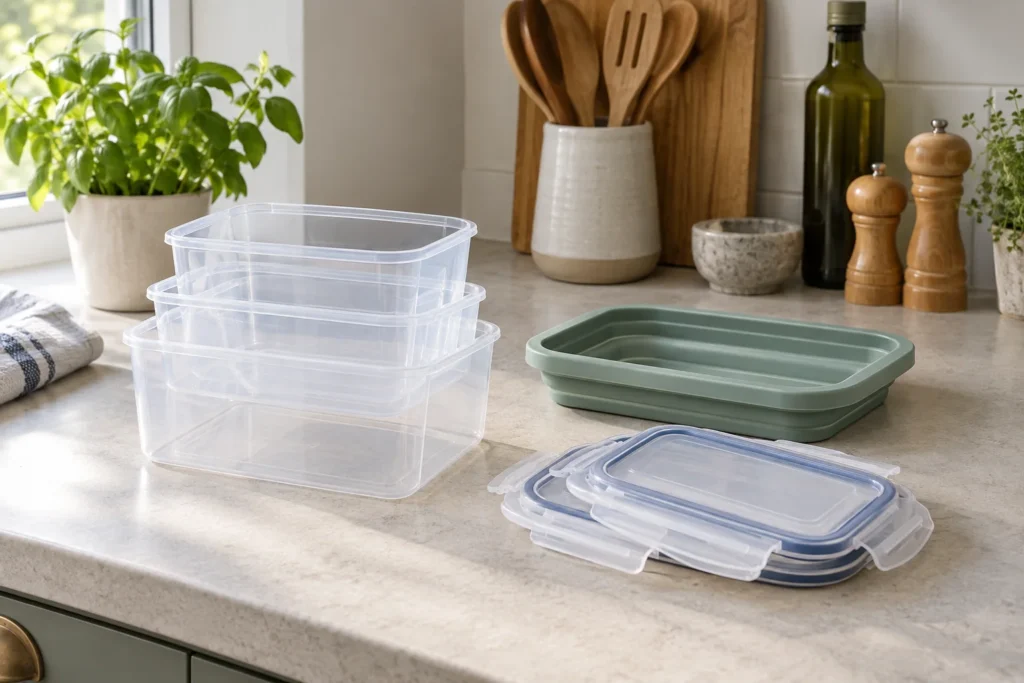
Image: AI-generated editorial illustration of generic equipment; not a photograph of a reviewed product.
Table of Contents
Use the child’s ordinary lunch as the reference
Lay out the usual lunch in its existing containers and note what works. Does one item get compressed? Is a small pot hard to find? Is there room for the food the child actually eats without leaving several unused compartments? These observations make the purchase specific.
Avoid treating a compartment count as a nutritional plan. Food choice and appropriate portions depend on the child and the setting. The container’s role is to hold the planned lunch in a manageable arrangement while meeting the food’s storage requirements.
Practise the opening sequence with an empty box
Where possible, let the child handle a clean, empty sample under appropriate supervision. Check the clips, hinges and any small screw-top pots. A lid that an adult opens easily may require more grip or coordination than the child can comfortably manage.
Count the loose parts after opening. Consider where they will sit on the lunch table and how they return to the bag. A single main lid may suit one child; another may manage several small pots happily. Choose according to the actual user rather than a universal preferred design.
Check what compartments really separate
A divider may keep dry foods apart without creating a liquid-tight compartment. Sistema’s Lunch use-and-care instructions explicitly say the range is not leakproof. That is a reminder to check the precise box and any inner pot before packing foods containing liquid.
Read the lid and seal design carefully. If a small pot is intended for a sauce or yoghurt, establish its own closure instructions and suitability rather than assuming the outer box supplies protection. Keep model references when buying replacement lids so similar pieces are not mixed accidentally.
Measure the bag with the whole lunch inside
Include the bottle, cutlery and any cooling equipment required for the food and journey. Measure the lunch container with projecting clips and handles. The box needs to fit without forcing the bag into a shape that makes carrying or closing it awkward.
Check the school or childcare setting’s arrangements and requirements before selecting a format. The container should fit the actual storage and eating setup. Do not rely on its material or a decorative insulated sleeve to establish a safe holding time for every food.
Make cleaning visible and manageable
| Part | Useful check |
|---|---|
| Main compartments | Can corners and dividers be reached? |
| Small pots | Are lids identifiable and easy to clean? |
| Seals | Does the maker explain removal and refitting? |
| Hinges and clips | Can trapped food be seen without forcing parts apart? |
Follow the exact care instructions rather than putting every component into the same washing routine. Label ownership in a place the container maker permits, and update the label when a part is replaced.
For a realistic trial, pack the empty components into the lunch bag, ask the child to find the main box and observe which step needs help. Then repeat the return journey with the lids and pots placed as they would be after lunch. The purpose is to identify a design obstacle, not to make the child perform a difficult task faster. A simpler pot, clearer lid match or different opening direction may solve the problem more effectively than buying a bigger box with additional compartments.
Start with one complete working lunch
Trial the box through packing, carrying, eating and washing before buying duplicates. Ask which part was inconvenient and adjust that part of the system. Our kitchen storage guide can help keep lunch equipment together at home; the best arrangement remains the one the child can use comfortably in practice.