
Clean a slow cooker as a set of different components, not as one washable object. The removable insert may tolerate a method that the electrical base cannot. Start with the exact model’s cleaning instructions and let the appliance reach the state those instructions require before taking it apart.
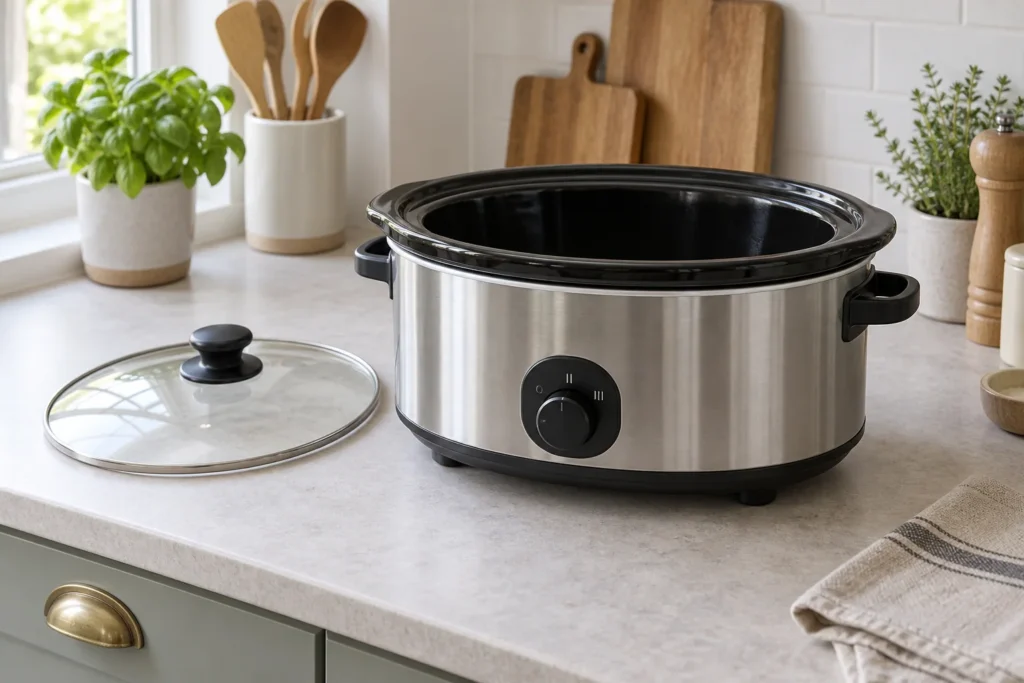
Image: AI-generated editorial illustration of generic equipment; not a photograph of a reviewed product.
Table of Contents
Finish the food task before the cleaning task
Remove food for serving or appropriate storage, then switch off and disconnect the appliance as directed. Keep leftover handling separate from letting the equipment cool for cleaning. A hot pot should not be left full of food indefinitely simply because you are waiting to wash it.
Arrange a clear washing area and identify the parts that actually detach. A hinged lid or gasket may have a particular removal method. Do not pull at a hinge or prise off a seal because a different model’s video shows it being removed.
Use a component-by-component plan
The Instant Superior cleaning guidance says to unplug the appliance, let its parts cool, and dry surfaces before reuse or storage. Its pot and lid are dishwasher-safe, while the base and cord are wipe-only. This distinction is a useful example; follow your own model’s component permissions rather than assuming they match.
| Component | What to look for | Useful check afterwards |
|---|---|---|
| Removable pot | Approved detergent, soaking and dishwasher instructions. | No food residue; exterior dry before returning to base. |
| Lid | Whether the complete lid or only certain parts may be washed. | Rim, vent and removable fittings visibly clean. |
| Electrical base | The prescribed wiping method; never treat it as the insert. | No pooled liquid or trapped debris. |
| Hinge or gasket | Whether removal is permitted and how to refit it. | Correct assembly without forcing or stretching. |
Approach dried-on residue patiently
Check what soaking method the pot’s manufacturer permits, including water temperature and suitable cleaners. Give approved soaking time a chance before escalating the force of scrubbing. An abrasive tool can create a new surface problem while trying to remove the original food deposit.
Work around the rim and corners with an appropriate soft cleaning tool. Distinguish removable residue from damage to a coating or glaze. If you cannot tell which you are seeing, photograph the area when dry and ask the manufacturer rather than repeatedly scraping it.
Keep moisture away from electrical areas
Move the removable parts to the washing area and leave the unplugged base on a suitable dry surface. Use only the cleaning method allowed for the base. Pouring rinse water over it or placing it in a sink is not equivalent to wiping a removable insert.
If food has spilled into an inaccessible electrical area, follow the troubleshooting guidance or contact support. Do not remove the casing to investigate. An appliance that has been immersed or shows electrical damage should not be tested by switching it on to see whether it still works.
Inspect the parts while they are clean
Cleaning is a convenient time to notice a cracked lid, damaged coating, loose handle or poorly seating gasket. Check these before the next meal, when the equipment is cool and visible. A replacement lid or insert needs to match the exact model; similar capacity alone is insufficient.
Dry detachable components as instructed, including places where water can collect. Reassemble only when the parts are ready. Store the appliance so that the cable is not strained and the lid or insert is not forced against other heavy cookware.
Make the next clean easier through preparation
Stay within the fill limits and plan how you will serve the food to reduce avoidable spills around the rim. Keep a suitable utensil rest nearby. These small arrangements can reduce mess without changing the recipe or introducing an unapproved liner.
If cleaning remains awkward, identify the specific difficulty: lifting the pot, reaching its corners, removing the lid or fitting it in the sink. That observation is more useful for a future purchase than a general easy-clean label. A sound routine protects the parts you already own and leaves the cooker ready for its next supported recipe.