
Choose a saucepan by both capacity and dimensions. Litres describe a volume; centimetres usually describe a diameter; neither alone tells you how comfortably the pan will fit your hob or the quantity you want to cook. Start with a recipe or regular batch, then check working room, base size and handling.
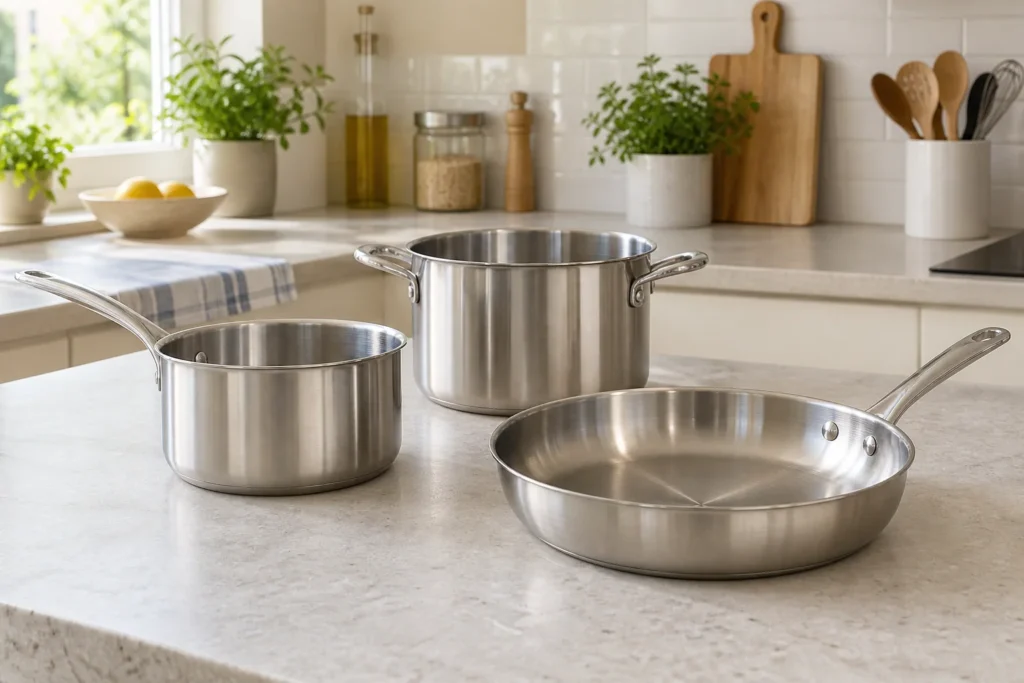
Image: AI-generated editorial illustration of generic equipment; not a photograph of a reviewed product.
Table of Contents
Understand the measurements in a listing
Le Creuset UK cookware size guide distinguishes rim-to-rim saucepan diameter from capacity in litres. That is a useful starting point, but two pans with the same rim diameter can have different depths and capacities. A flared rim can also be wider than the base underneath.
Record the stated capacity and ask how it is measured if it is unclear. A brimful capacity is not a universal working fill level. The recipe, food and cookware instructions determine how much space is needed above the ingredients during cooking.
| Measurement | What it helps you decide |
|---|---|
| Rim diameter | Opening size and lid fit |
| Base diameter | Match to the hob's cooking-zone guidance |
| Internal depth | Room for the recipe and stirring |
| Capacity | Overall volume, with its measurement basis checked |
| Total length and height | Cupboard, oven and washing-space fit |
Use the same units across your comparison. Do not compare a pan's internal diameter with another product's packaging width.
Measure an existing pan as a reference
Use a cool, clean saucepan on a stable worktop. Measure the opening, base and complete handle-to-rim length. Note what it does well and where it falls short. That creates a practical reference even if the pan's original product page is no longer available.
If the maker permits ordinary contact with water, you can check approximate capacity using a measuring jug on the worktop, without heating the pan. Keep the exercise within a manageable quantity and dry the pan afterwards as directed. Record that this is your approximate measurement, not a manufacturer's specification or a recommended cooking fill.
Work from actual recipes
Look at the ingredient quantity and equipment instruction for a meal you repeat. A sauce that needs frequent stirring may require useful headroom even when its liquid volume seems modest. A recipe with expanding ingredients should follow its own pan and fill guidance, not a simple “litres per person” rule.
Consider simultaneous cooking. A medium pan that is ideal on its own may crowd the frying pan you use beside it. A smaller saucepan can be valuable for a separate task without being a duplicate of the larger one.
Match the base to the cooking zone
Check the hob manual for the relevant minimum or recommended base size. On induction, read the cookware's compatibility statement too. The nominal rim diameter should not be used as a substitute for the magnetic or contact base dimensions required by the appliance.
For gas or another heat source, follow the pan and hob guidance about burner coverage and handle position. A small saucepan on an unsuitable large burner is not made appropriate by having spare capacity. Choose the base for the actual cooking position you will use.
Assess pouring and lifting
Check handle shape, balance, lid fit and any helper handle. Imagine moving the pan when filled with your ordinary quantity, without conducting a difficult load test. A pouring lip or straining lid can be useful, but only when its instructions and grip arrangement suit you.
Include the sink and cupboard in the comparison. A pan that is comfortable on the hob may be awkward to wash or store if the handle is unusually long. If oven use matters, measure with the lid in place and check the complete assembly's rating.
Choose sizes with different roles
Rather than buying three adjacent sizes automatically, give each saucepan a job. One might cover small sauces, another the main liquid-based task and a larger pot occasional batches. Keep existing suitable pans in that plan.
Write down the capacity, useful dimensions and recipe role before shopping. That makes size selection a practical decision based on your kitchen, rather than a universal recommendation that every household needs the same set of centimetre labels.