
If foam or rice water escapes from a cooker, follow its stop instructions and keep clear of the hot steam. Do not cover the vent to contain the mess. Once the appliance is cool and disconnected, review the quantity, preparation and lid assembly before cooking another batch.
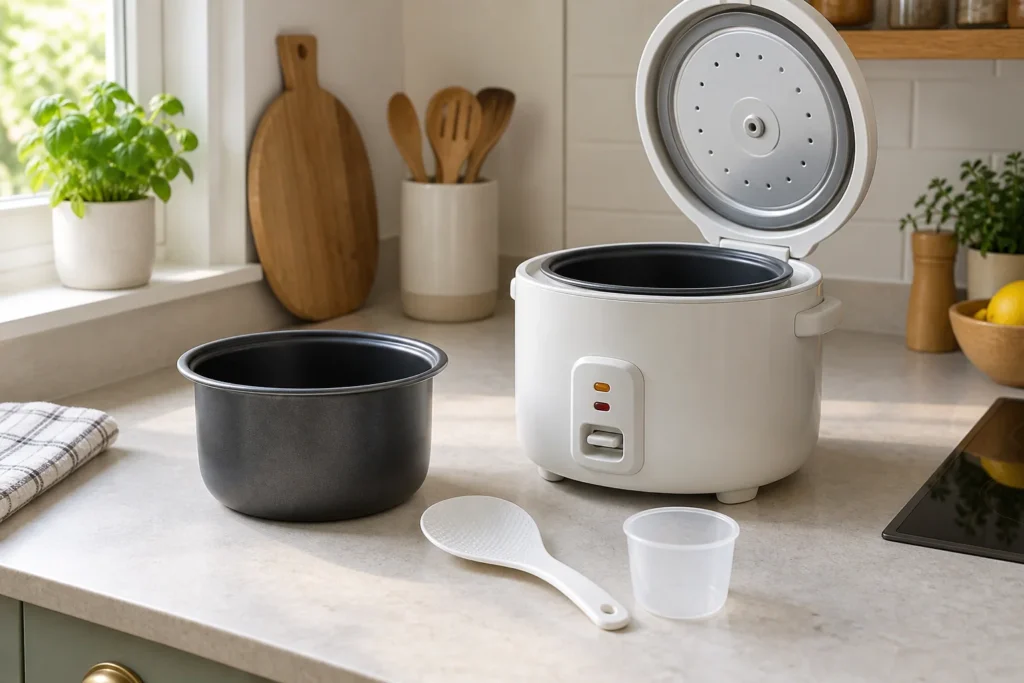
Image: AI-generated editorial illustration of generic equipment; not a photograph of a reviewed product.
Table of Contents
Make the immediate situation safe
Avoid reaching over the lid or moving a full hot cooker to the sink. Switch off or cancel as the manual directs, then let it cool safely. If liquid has reached a plug, socket or inaccessible electrical part, do not touch wet electrical equipment; isolate the supply safely and obtain appropriate help.
Do not continue a cycle simply because the food is almost ready. Clean the counter only when it is safe to work around the appliance. Hot rice water can be difficult to see on a pale surface, so keep the surrounding area clear until the spill has cooled.
Check the selected programme and maximum
Yum Asia’s overflow guidance lists excess water, excessive quantity, insufficient rinsing and incorrect or obstructed lid components among its checks. It also notes that the maximum for brown rice can be lower than for white rice. Use your own model’s specific capacity and programme instructions.
A number on the bowl may belong to another rice type or to a different mode. Read the programme name and its matching scale together. A cooker used for porridge may have a much smaller permitted quantity than its headline dry-rice capacity. Do not fill to the highest line simply because it is the easiest to see.
Review the rice preparation
Follow the rice packet and cooker instructions for washing and draining. If they call for rinsing, use a separate suitable container where required to protect the bowl. Keep the measure consistent and read the final water line with the pot level.
Check whether you used raw rice, an easy-cook product or another grain. Do not assume a successful setting for one product applies to a different preparation. A recipe containing milk, stock powder or other ingredients also needs specific support; adding them changes more than flavour.
| Question | What to record |
|---|---|
| Which programme was selected? | The actual button or menu name. |
| Which rice was used? | Brand, type and whether it was pre-cooked or parboiled. |
| How much rice and water? | Supplied-cup quantity and exact scale or measured liquid. |
| Was the lid assembled correctly? | Inner lid, steam cap and collector as shown in the manual. |
| Did anything change recently? | New rice, cleaning, replacement bowl or larger batch. |
Inspect the vent only when cold
Disconnect and follow the manual’s user-cleaning instructions for the steam cap, inner lid and condensation collector. Remove only components identified as removable. Clear food residue with the approved method and refit the complete assembly before use.
Never enlarge a vent, run the cooker with a required cap missing or attach a makeshift tube to redirect steam. A cloth over the outlet can obstruct the route the appliance needs. If the lid or a small fitting has distorted, obtain the correct replacement rather than holding it down.
Avoid random anti-foam remedies
Advice to add oil, butter or another ingredient can be model- and recipe-specific. Do not use it as a universal fix that conceals excess filling or a blocked component. Start with the maker’s standard preparation and ask support if the problem remains.
Do not reduce water arbitrarily until the cooker stops bubbling; insufficient water can create a different cooking problem. Likewise, leaving the lid ajar is not a substitute for the intended programme. Work through the documented checks in an orderly way and retain the original measurements.
Know when the cooker needs support
Persistent overflow with a correctly prepared, permitted batch deserves manufacturer assessment. Provide the model, food, amounts and programme, plus a photograph of the cold assembled lid if useful. Do not repeatedly recreate a spill to collect evidence.
After any spill, make sure the appliance is fit to use and completely reassembled before trying again. If your normal meal is larger than the supported capacity, divide the cooking using permitted methods or choose a suitable size. The practical goal is a stable documented routine, not making the largest load stop spilling by trial and error.