
A slow cooker timer can count down a cooking programme, delay its start or show how long the cooker has been warming food. These jobs are not interchangeable. Before choosing a model or planning a meal around its display, establish what the timer changes and what happens when it reaches zero.
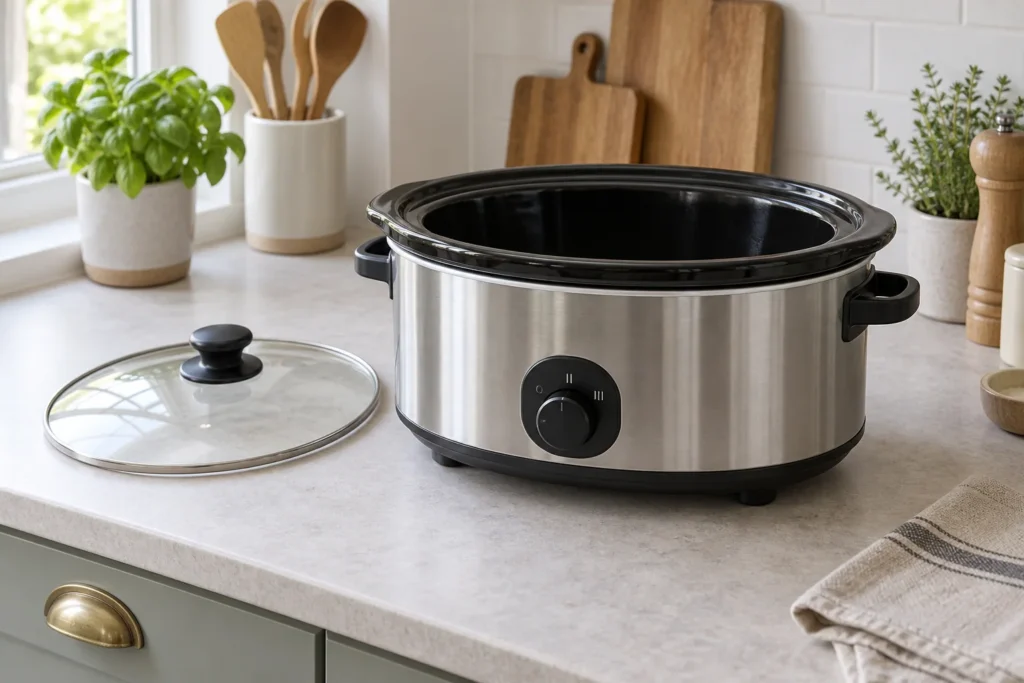
Image: AI-generated editorial illustration of generic equipment; not a photograph of a reviewed product.
Table of Contents
Read the display in the context of the programme
Look for three separate descriptions in the instructions: when heating begins, when the cooking timer begins and what the appliance does afterwards. Some displays show remaining time during cooking and elapsed time during warming. A number moving upwards can therefore mean a different phase, rather than a fault.
For example, the Instant Superior manual describes a countdown during slow cooking and a count upwards when automatic warming begins. It also prohibits external timer switches and separate remote-control systems. Those details apply to that appliance; they are not a substitute for the controls chapter of another model.
| Function | The question it answers | What it does not establish |
|---|---|---|
| Cooking countdown | How much programmed cooking time remains? | Whether the food is fully cooked. |
| Delayed start | When will this approved programme begin? | Whether the ingredients can safely wait unrefrigerated. |
| Automatic warming | What happens after the cooking phase? | An unlimited holding period for every food. |
| Elapsed warming display | How long has the warming phase been active? | The temperature at the coldest point of the meal. |
Build a meal timeline before using a timer
Start with the serving time and work backwards using a suitable recipe and the appliance instructions. Include the time needed for preparation and any finishing step. Browning, adding delicate ingredients and adjusting the sauce may mean that a recipe is not entirely unattended even if the central cooking period is long.
Write the stages down on the first attempt. For example, a schedule might contain “prepare”, “start cooking”, “check doneness”, “finish sauce” and “serve”. Use the verified recipe to fill the gaps. Do not invent a longer warming stage simply to bridge an inconvenient time between the recipe finishing and someone arriving home.
A delayed start needs a suitable food plan
The existence of a delay button is a feature description, not food-storage advice. Perishable ingredients should not sit at room temperature because it makes a timetable convenient. If the manual and a suitable recipe do not clearly support the intended delayed programme and ingredients, start cooking promptly after preparation or select a different meal plan.
Preparing ingredients ahead can still be useful. Keep the preparation and storage stages separate from the electrical timer: a chilled ingredient container ready for later assembly is a different arrangement from a loaded appliance waiting to switch on. Follow food-specific storage guidance for the ingredients involved.
Check power interruptions and saved settings
Read what the exact cooker does after a power interruption. Does it resume, cancel or require a fresh start? Also check whether it remembers your previous programme settings. A remembered cooking time is convenient only when it matches the next recipe; confirm the display each time you begin.
If power is interrupted and you cannot establish how long food has been without controlled heating, do not treat a resumed timer as proof that the meal is safe. The timer records appliance behaviour, not the complete temperature history of the ingredients.
Choose controls that suit the way you cook
For regular use, ask whether the display is readable from your normal position, whether changing the time requires confirmation and whether the end-of-programme state is obvious. Downloading a manual can answer those questions before you order. Marketing phrases such as programmable or automatic are too broad to settle them.
The most useful timer is one that supports a sensible meal schedule you can explain in plain language. If you cannot tell whether the cooker is waiting, cooking or warming, pause and resolve that uncertainty before relying on it for a meal.